• About
  • The Photo that Started it All

Uncovering Jewish Heritage

Uncovering Jewish Heritage

Author Archives: Marysia Galbraith

Hints and Memories

13 Tuesday Oct 2015

Posted by Marysia Galbraith in Family, Memory

≈ Leave a comment

Tags

Maria Bereda(y) Galbraith

Going through boxes of hastily collected papers from Mom’s house I find so many unwritten cards. Sympathy cards: “Thinking of You. I know you’ll make it through this.” A Thomas the Tank Engine birthday card: “Peep-peep grandson!” I like to think that one was meant for Ian… There are also postcards: Salvadore Dali’s “Portrait of Gala;” two views of the Biltmore House; a café scene in New Orleans; the Isabella Stewart Gardner Museum in Boston. I find random addresses of people I don’t know, torn off envelopes, Three envelopes with “Maria” written on them in my dad’s hand—but they’re empty; his cards are missing. How do I dispose of this stuff? But why would I keep it?

I hold on to the memories they evoke. The bits of my mom’s story they signal. Mama liked to send cards. She always took the trouble to include a personal note.

I seem to recall she and my dad went to the Biltmore Estate on their way to Texas once. This might have been in December 1991 since I also found an unfinished Christmas card to my friends Kara and Bob and their daughters Paula and Maria (yes, she was named after my mother) with the heading “Austin, Texas December 16, 1991.” Mom wrote:

We arrived by car yesterday at 5 PM. It was an exhausting trip but we are happy to visit with our son Chris. We stopped in Virginia and drove through the Skyline Drive with the Blue Ridge Mountains all around us. A heavy rain stopped and there was no one on the road.

It stops there. Why didn’t she finish the letter? Why didn’t she send it? Maybe she lost track of it? Or couldn’t find the address?

“Return to sender, Addressee deceased” is stamped on the envelope of a letter to Dr. Gustave Aufricht, M.D.,. This was probably Mama’s plastic surgeon. Inside is a Christmas card “May the spirit of Christmas abide with you throughout the new year” and in her hand the note “Sincerest wishes from your devoted patient.” On the website of the American Society of Plastic Surgeons, Dr. Aufricht is described as a founder of the society:

Two Founding Fathers

Like most great American institutions, the American Society of Plastic Surgeons (ASPS) — known until 1999 as the American Society of Plastic and Reconstructive Surgeons (ASPRS) — developed mainly through the sweat and toil of immigrants. In this case, it was two surgeons from Europe who came to the United States after World War I, Jacques Maliniac and Gustave Aufricht.

The two doctors were as unalike as any two men could be, except for their dedication to their craft. Despite his French-sounding name, Dr. Maliniac was born in 1889 in Warsaw, Poland. After studying with the leading plastic surgeons on the continent before the war, he was called into the Russian Army at the outbreak of hostilities. A small, intense man, Dr. Maliniac, who was Jewish, came to the United States in 1923 and decided to stay as anti-Semitism was on the rise in Europe in the 1920s. Settling in New York City in 1925, he opened a thriving private practice, and convinced the administrators of the City Hospital system to establish the first division of plastic surgery at a public hospital.

Dr. Aufricht, born in 1894, was a native of Budapest, Hungary. Like Dr. Maliniac, he treated wounded soldiers during the war, studied with the leading practitioners in Europe and arrived in New York in 1923. And like Dr. Maliniac, he was Jewish and decided to stay here when things became inhospitable in the Old World. However, the similarities ended there.

Where Dr. Maliniac was considered bombastic and dictatorial with his students and residents, Dr. Aufricht, who went by the nickname “Gusti,” was genial and outgoing, but no less a commanding figure, loved and revered by his charges.

Interesting that Mama sent her Jewish doctor a Christmas card. Did she know his religion? The card was postmarked December 1981. If she was his patient around 1950, she probably sent cards to him for 30 years.

Another card was written by my friend Kimmy, thanking Mama after a visit in 1981. Kim also asks for my address at school so it must have been sent in the fall, soon after I started college. Jumping forward again, I find a postcard from me, written from Poland. This one was also written around Christmastime so it must have been 1991:

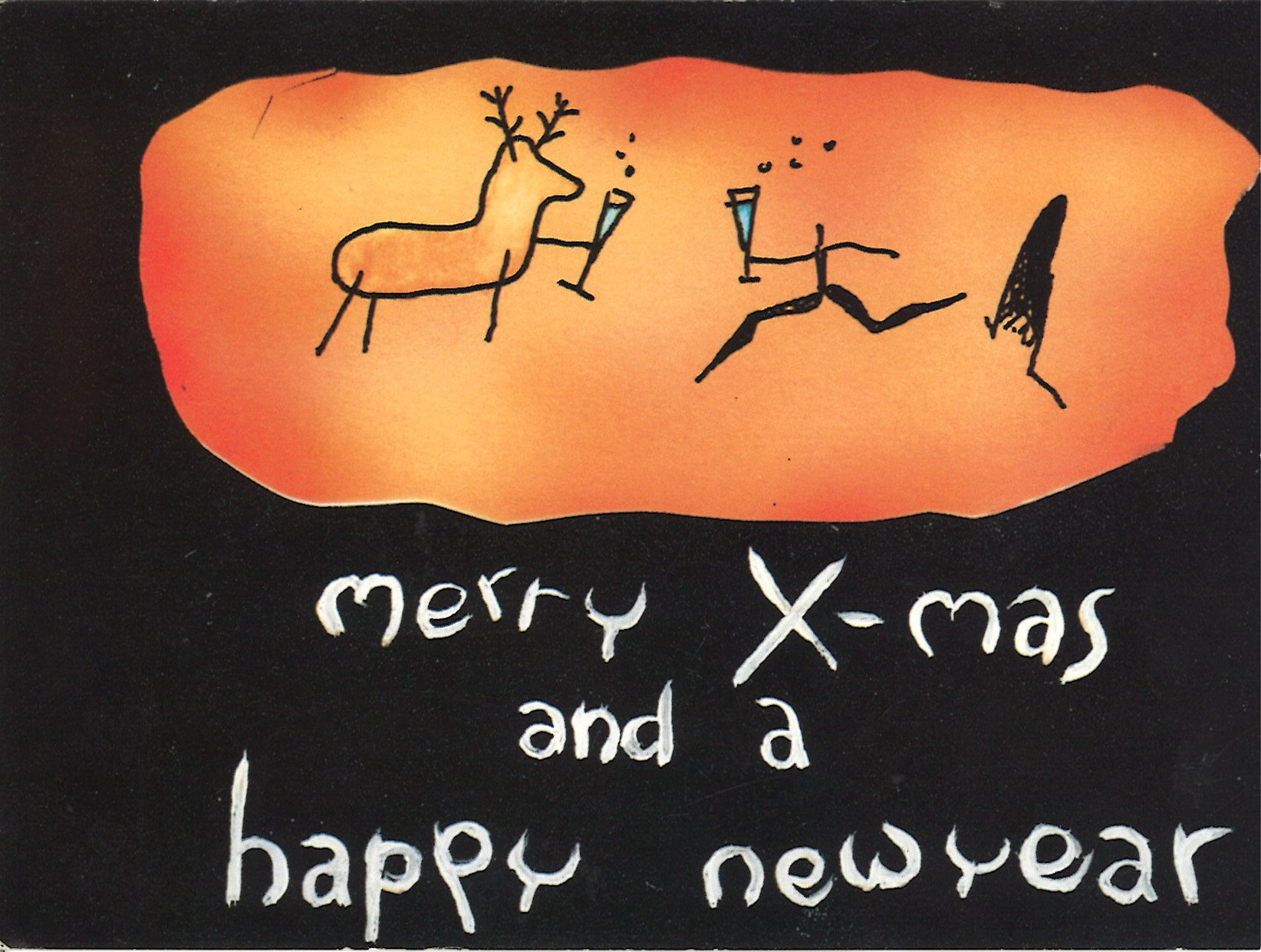
A postcard I found in Poland and sent home, probably in 1991.

A postcard I sent from Poland, probably in 1991.

Dear Chris, Mom, & Pop, The Happiest of holidays to you all. I hope you find some snow somewhere. Sorry I can’t be with you but know I’m thinking about you. Can you believe I found this card in Poland? Love, Marysia

In the living room on Long Island, probably Christmastime 1991

In the living room on Long Island, probably Christmastime 1991

And then this photo of Mama and Babcia on the couch in the living room at home. The tree and ornament in the left foreground signal it was around Christmas, also. Mama is in silhouette, eyes downcast. She appears to be spooning something out of a mug to give to Babcia, who is leaning toward her with closed eyes. Or maybe the camera just caught her blinking? She is bundled up in a down jacket and a blanket, like a child. When was this? Near the very end of Babcia’s life. Could it also be 1991? Maybe Mom and Dad returned from Texas before the holiday? It’s so rare that I have seen photos of my Mama and Babcia together. There seems to be so much tenderness in my mother’s attention, as if in this moment of caring all the tension between them dissolved.

My Post on Hair Struck a Nerve

12 Monday Oct 2015

Posted by Marysia Galbraith in Identity

≈ 4 Comments

A number of readers commented on last month’s post about hair. It’s interesting to me that most reached out to me in private. Here are some of the comments I received:

So I just read your blog post quickly. I know you don’t like stereotypes (who does?), but I can’t resist telling you that I thought you were Jewish the first time I met you. And it did have something to do with your hair, but also with your way of being. I love Jewish-looking hair myself and wish I had it! Sorry if I’m being lazy in this short cut.
Loved the post!

My response: Thanks. I wonder, too if there can be some sort of recognition of ethnicity/culture–a reading of multiple clues such as hair, gestures, etc. Whatever it is, I don’t believe it can be a simple reading of physiology. Regardless, I wear my hair proudly!

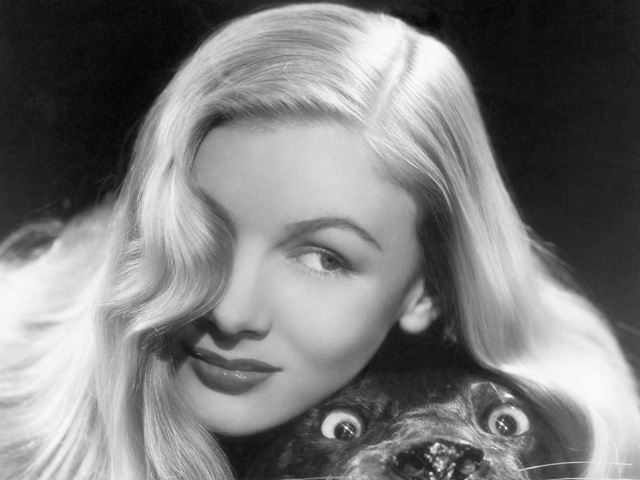
Another reader: I had to respond to what you said. Growing up Jewish, I knew/was told that Jewish hair was different. I could never (nor could any of my family or friends) wear the straight bob. I always wanted Veronica Lake’s hair. Straight, just hung there, no body. (You may not know who Veronica Lake was, but if you go on the internet you would probably get a picture of her.) I had thick hair – not curly. It is only recently with all the straighten products that one can have that straight look. I, and all my friends, had our hair thinned. We certainly wanted to look like the movie stars. Straight hair, small noses. I never thought it was a way to stereotype someone. It just was the way it was. Didn’t all young girls want to look like the movie stars? I was grateful when Barbra Streisand became famous. Although she never had the “Hollywood” image she was glamorous, which kind of made the big nose, thick hair seem more acceptable.

The question I occasionally ask myself – Why growing up didn’t we question any of this and just accepted it?

Interesting that we both used Veronica Lake as our archetype for hair. She was thinking of this:

VLake1

When I referred to Veronica Lake, I was thinking of soft, luxurious curls like this:

VLake2

More than likely, any wave in Veronica Lake’s hair was added with curlers.

And an exchange with a third reader who is not Jewish, but has full, curly hair: A wonderful essay that resonates with many things I’ve heard about my hair my whole life. You know, in Poland I had always been told I had beautiful hair. Then I came to the US at 18 and was surprised to hear that my hair was “frizzy” and apparently in need of stuff(s) that would get rid of that undesirable quality. I was thinking to myself then: “What? My hair is unusual [in Poland] and great, it’s crazy to say that anything about it should be “fixed.” But in the US, it sounded like in that particular situation (I’m talking about one person) my hair was seen as almost African-American or something. Then I realized “frizzy” was a concept here; it had never been in Poland, at least not in the Poland of my youth and childhood (where there were almost no “products” whatsoever to begin with).

My response: That’s really interesting. I think you know I’ve always loved your untamed hair. You are from the generation that was tired of the relative homogeneity of Polish culture, and would find your amazing ringlets exotic and beautiful. And it’s really interesting to learn that “frizzy” is an American concept. It’s definitely something I grew up trying to control.

Her response: I mean we have had ways to talk about thick wavy hair that’s out of control, and these days there are definitely “products” for “frizzy” hair sold in Poland (I wondered last summer at a Rossmann how many people actually buy them in Poland…). But in Polish I think these expressions are somehow more colorful/funny and they seem to refer to the state of unruly curly hair–at a particular moment–, not as a permanent feature that always should be controlled (not that I want to overanalyze it). So in my high school times you used to say “szopa” (“a barn”: meaning your hair looks like a bunch of straw stored together in a barn) or “jakby piorun strzelil w rabarbar” which translates into “as if a thunderbolt went through a piece of rhubarb”). But these expressions were somehow less definitive and diagnostic than “frizzy.”

Another reader recommended the book Coiffure to me, which is about the social significance of women’s hair in 19th century France. The review notes: “Hair, it turns out, is quite a bit more complex than it would seem, linked as it was to concepts such as ideal beauty, respectability, fashion, sexuality and even nostalgia.”

So yes. Hair seems to be wrapped up in our sense of identity, of being “like” some people and not like others. But these things aren’t fixed, either. Sometimes we feel compelled to do things with it so that we better fit Hollywood images, or what others tell us we should be like, or how we imagine ourselves (ideally) to be. And sometimes it’s good to just appreciate what we have.

Hair

13 Sunday Sep 2015

Posted by Marysia Galbraith in Family, Identity

≈ Leave a comment

Tags

categories, Halina Piwko Bereda, Maria Bereda(y) Galbraith, stereotypes

1st generation I have photos of: my great-granmother Hinda (Walfisz) Piwko with an impressive mass of hair.

1st generation I have photos of: my great-granmother Hinda (Walfisz) Piwko with an impressive mass of hair.

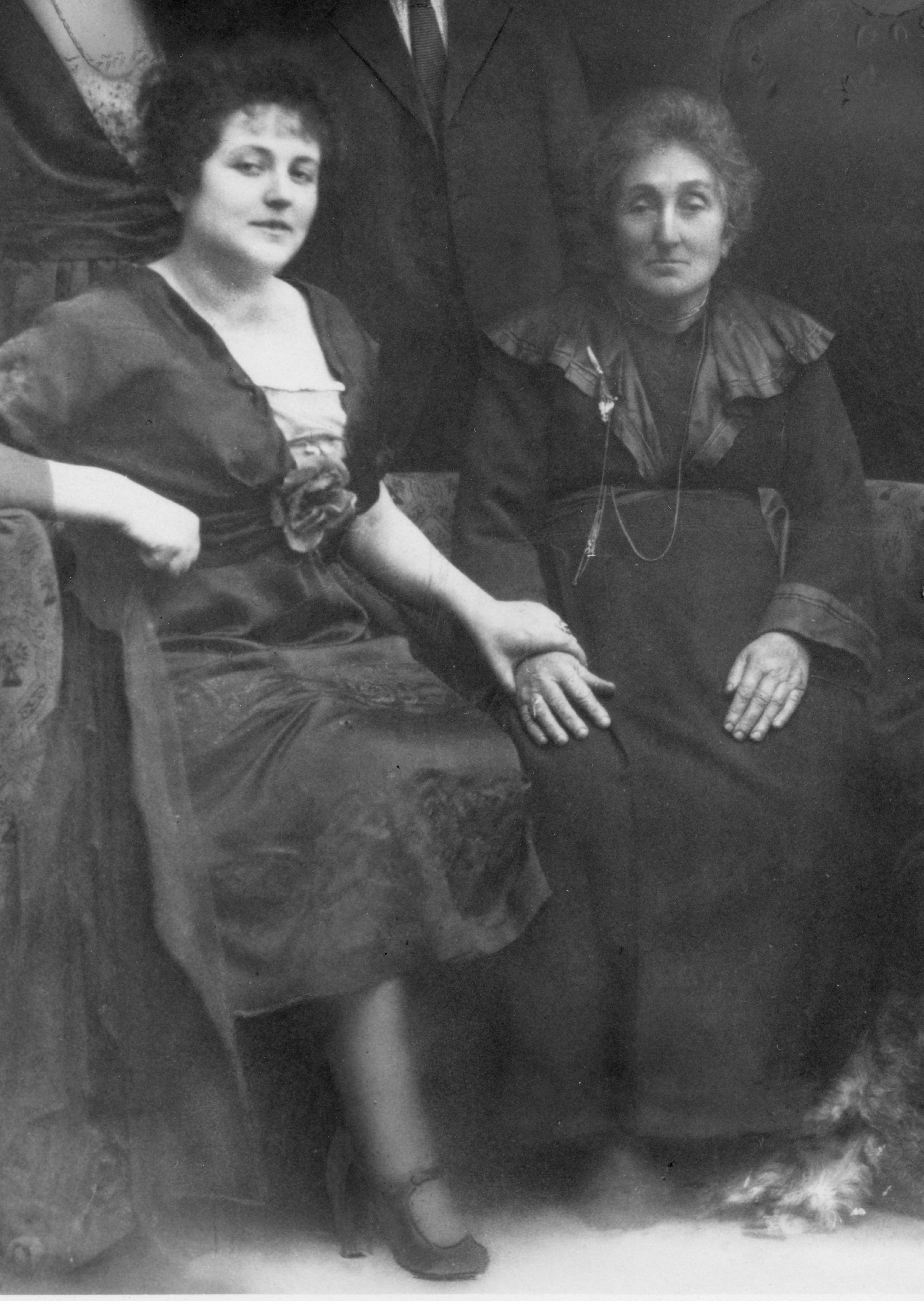
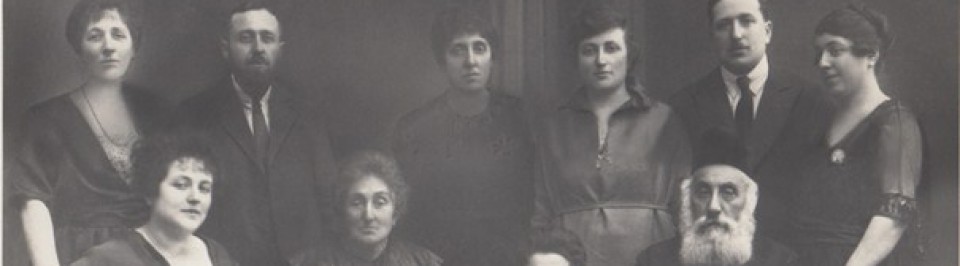
The women in my family have thick, wavy hair. My great-grandmother Hinda and her daughters all had it (see the photo at the head of this blog). In fact, in Aunt Pat’s notes (probably dictated from a conversation with Auntie Nunia), Sarah was identified by her “beautiful hair,” and Rachel by her “thick, thick hair.” When I was a child, Babcia and Auntie Nunia wore their long silver locks in buns piled high on their heads; I now know from photos that their sisters Liba, Sarah, and Rachel did the same.

I remember watching as Babcia let down her hair at night, and brushed it until it formed an undulating frame around her that extended past her waist. Then she plaited it into two braids. During the day, she wound the braids around her head and held them in place with pins and a hair net.

2nd generation: Babcia wound two braids high on her head and held them in place with pins and a hair net.

2nd generation: Babcia wound two braids high on her head and held them in place with pins and a hair net.

I can’t remember exactly when this was. Could it have been in Puerto Rico when I was five? That seems too early, but I think I was still a child. She kept her hair long until it got too difficult for her to lift her arms and pin it back. Cut short, her hair made a curly silver halo around her face.

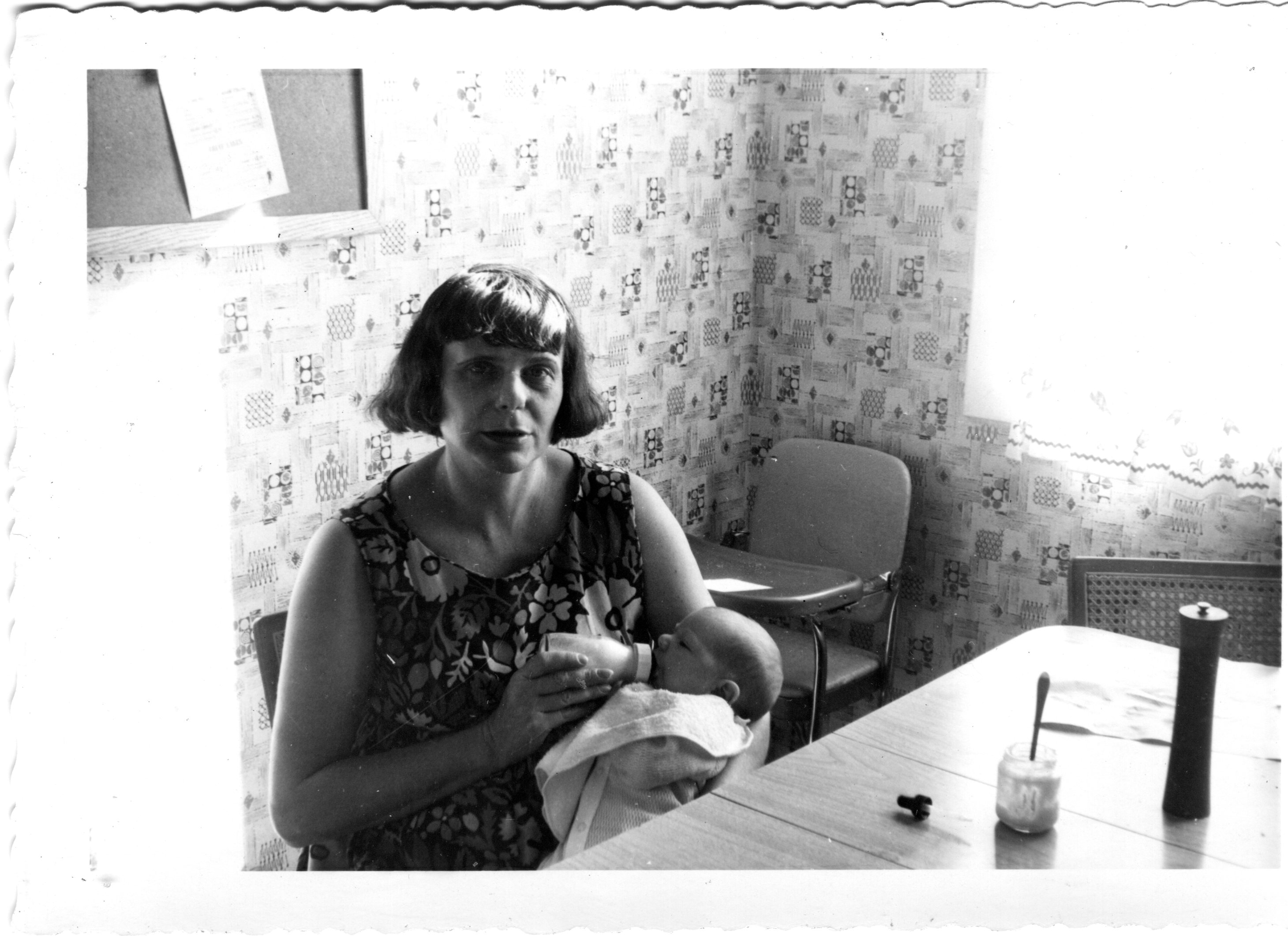
My mama inherited this wavy hair, only she wore it differently. She favored a blunt cut to the shoulders, with long straight bangs across her forehead. The bangs were styled to cover the the uneven discolored surface that grew back after the skin of her forehead was removed to use in the reconstruction of her nose. While she couldn’t hide the imperfect nose left by numerous failed surgeries, she could use her hair to hide the scars on her forehead. But it was a struggle. Left to itself, her hair curled in different directions. What she longed for was an even, thick curtain that would lie flat across the terrain she sought to conceal.

3rd generation: Mama with her unruly bangs around 1965 feeding my brother Chris

3rd generation: Mama with her unruly bangs around 1965 feeding my brother Chris

Over the years, she developed a technique where she would tie a scarf around her wet head so the bangs would dry in place. She joked it made her look like an Indian. The struggle didn’t end there. To protect against the wind exposing her scars, she held her bangs in place with hats—when I was younger she favored berets, an exotic but elegant choice that stood out in suburban Long Island.

Even as she battled her wayward locks, I admired Mama’s soft waves. I liked to stroke her head, and wished my light stringy hair were more like hers. Luckily, when I grew older, my hair became darker, and along with it, thicker and more curly. On a good day, I might have waves like Veronica Lake, or even sometimes ringlets.

4th generation: my curls

4th generation: my curls

I’ve almost always worn my own hair long. Only once, right after my brother Ron died, I cut it short. So short I looked like a boy. Perhaps it was an act of mourning. Definitely, I was motivated by the desire for a radical change. I was just a few months away from beginning my dissertation fieldwork in Poland. Short hair was liberating. It dried almost instantly, and didn’t even need combing. When it grew just a bit longer, it curled around my face much as my grandmother’s had. But still, I didn’t like it and have never cut it short again.

When I first started looking into my Jewish heritage, I told a good friend about what I was learning. Before then, he hadn’t known; it wasn’t something I had talked about with anyone, really. At some point in the conversation, he remarked that I have Jewish hair. Surprised, I asked what he means. He described my hair as wavy (though he might even have said frizzy) and coarse. This unsettled me. I have often returned to this moment, and tried to understand why. Perhaps it’s as simple as hearing something I love about myself described negatively (who wants to have coarse hair?) But it’s more than that. I like my freckles, too, and when people have encouraged me to try to hide them I’ve only been amused. So maybe my uneasiness has something to do with being stereotyped, or maybe even with stereotypes in general.

Nevertheless, this idea of Jewish hair has continued to bother me. I spent a lot of time on the trams in Poland inspecting everyone’s hair. Sure enough, it seems that most Poles have straight, thin hair. So could there be something to this idea that my curls mark me as Jewish? I hate this kind of categorical thinking, though. This is probably the key thing; it may well be that most Poles have straight hair, but many have curly hair, too. Furthermore, maybe my waves come from my Dad’s side of the family. Scots can have wavy hair, as well. In fact, lots of people from many different backgrounds have hair like mine. Genetic inheritance is not as simple as “Jewish hair” suggests.

I hesitate to even write about this because it has the potential to just perpetuate the kind of categorical thinking I want to argue against. I mentioned my hair in a talk I gave at a conference in Poland, and I feel it backfired. Afterwards a couple of people talked to me about “Jewish hair,” trying it out as a new physical trait to assign to a category of people. It left me feeling uneasy.

I’m still trying to sort this all out. I love my hair, and I love that I share it with a long line of women, from my mother to her mother to her mother. I feel richer knowing that I have Jewish roots. But I have a problem with stereotypes, and the lazy way designations like “Jewish hair” can be used to make traits that may well be common in a population into essentialized markers.

So standing in solidarity with all the straight-haired Jews, curly-haired Poles, and everyone else who does and doesn’t fit ethnic stereotypes, I wish you a Happy New Year. May the coming year bring health, happiness, and better understanding regardless of our similarities and differences.

Memory in Fragments: Reassembling Jewish Life in Poland

03 Thursday Sep 2015

Posted by Marysia Galbraith in Anthropology, Heritage work, Jewish Culture, Memory, Poland, Polish-Jewish Heritage, Polish-Jewish relations

≈ Leave a comment

A summary of Dr. Marysia Galbraith’s year as a Fulbright Scholar in Poznan, Poland

September 3, 2015

Lloyd Hall 319

6:00 p.m.

Dr. Galbraith will also answer questions about the Fulbright Program and fellowship opportunities.

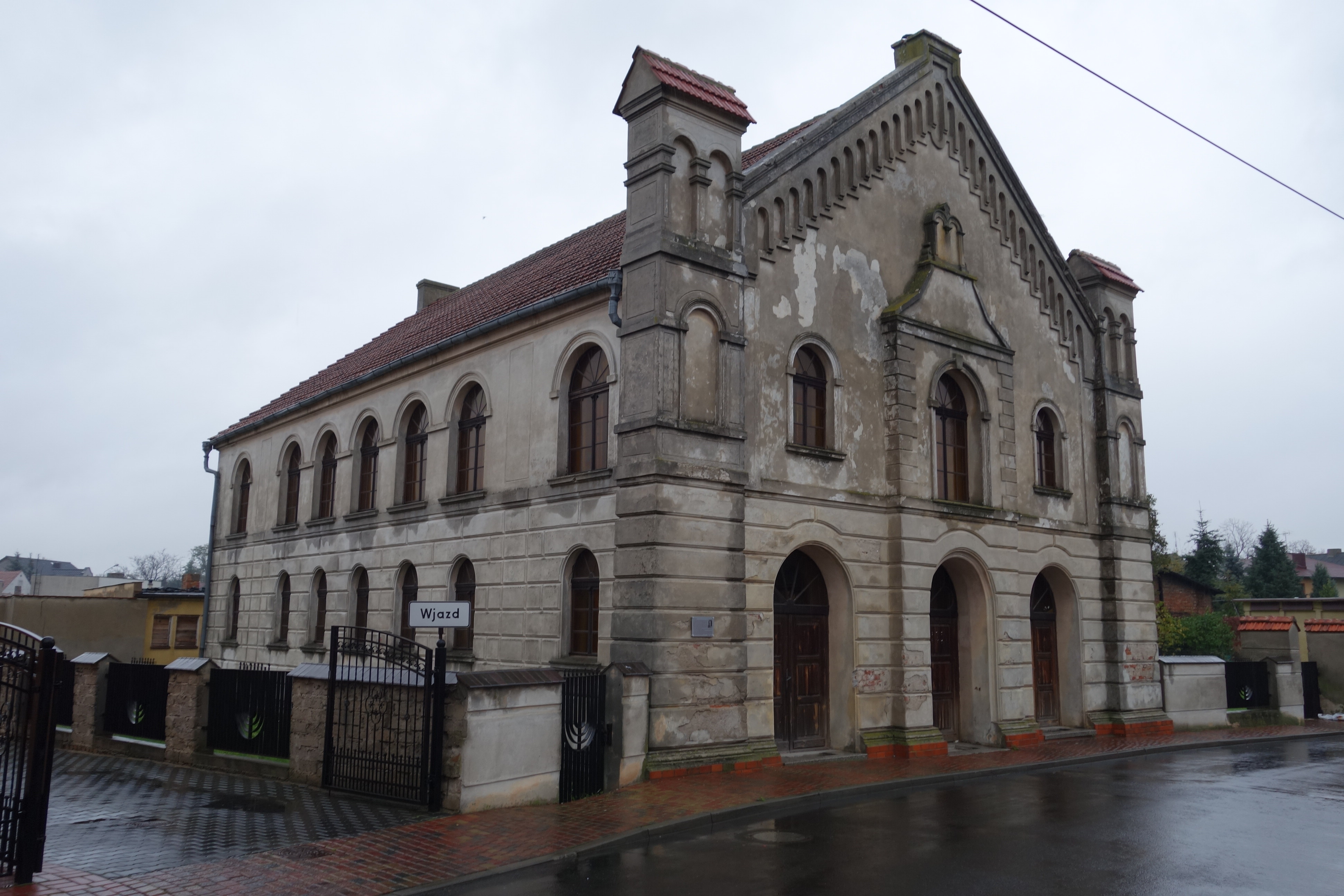
Former synagogue in Buk, Poland

Former synagogue in Buk, Poland

My research on Jewish heritage asks what can be done with the fragments of Jewish culture that remain in Poland, sometimes hidden and sometimes in plain sight? And what value does such memory work have? I explore these questions on two levels: the social level where I focus on what is actually being done with physical traces of Jewish culture in the absence of living Jewish communities, and on the personal level via the archeology of my own hidden Jewish ancestry. These fragments can reveal something about the past, even if it is just in an incomplete and shattered form. And they can point toward the future—the possibilities that might emerge out of traces of memory.

Life and Death in Poland

03 Thursday Sep 2015

Posted by Marysia Galbraith in Identity, Israel, Jewish Culture, Memory, Warsaw

≈ Leave a comment

Tags

Embodiment, Israeli youth voyages to Poland, Jackie Feldman

One of the things I like about the blog format is that it is episodic. A flash of vision or memory appears from nowhere, and then stays around for a while. I can examine it for a while, tossing it around in my mind until its outlines grow more clear. Rarely does it unfold chronologically. So here it is September in Alabama, six months and half a world away from my trip to Israel, and yet Israel is what I have on my mind.FeldmanAbove

A big part of it is that I just finished Jackie Feldman’s book about Israeli youth voyages to Poland. Each year, thousands of Israeli youth participate in organized trips to Poland to visit the death camps and to connect more strongly with their Israeli national identity. Feldman shows how the voyages (because that’s what the trips are called) reinforce a particular narrative dividing Jewish history into three epochs: Antiquity, Exile, and Zionist settlement of the Land of Israel (p. 12). Antiquity refers to the period of sovereignty of the Isrealite kingdom. A narrative of the other two epochs plays out on the voyages—from suffering and persecution in Europe during the long period of Exile culminating in the Holocaust, to revival of Jewish national life in the contemporary state of Israel. As such, Poland represents oppression and death in Exile, while Israel represents freedom and life in the homeland.

Feldman argues that these trips, most of which are subsidized by the Israeli government, are akin to pilgrimages—a journey to a sacred place involving a break from everyday social lives and hierarchies into a liminal space filled with intense physical and emotional experiences as well as transmission of cultural, symbolic knowledge. Pilgrims return transformed, ready to reintegrate into society, but in a new social status (in this case, they transform from youths to adults and ambassadors of the lessons learned about their Jewish heritage and Israeli citizenship). I like Feldman’s book because he effectively shows how this transformation is fueled primarily by emotion and sensation—through the body—more than through cognition and learning. This is consistent with my own observations on a Polish pilgrimage to Częstochowa many years ago.

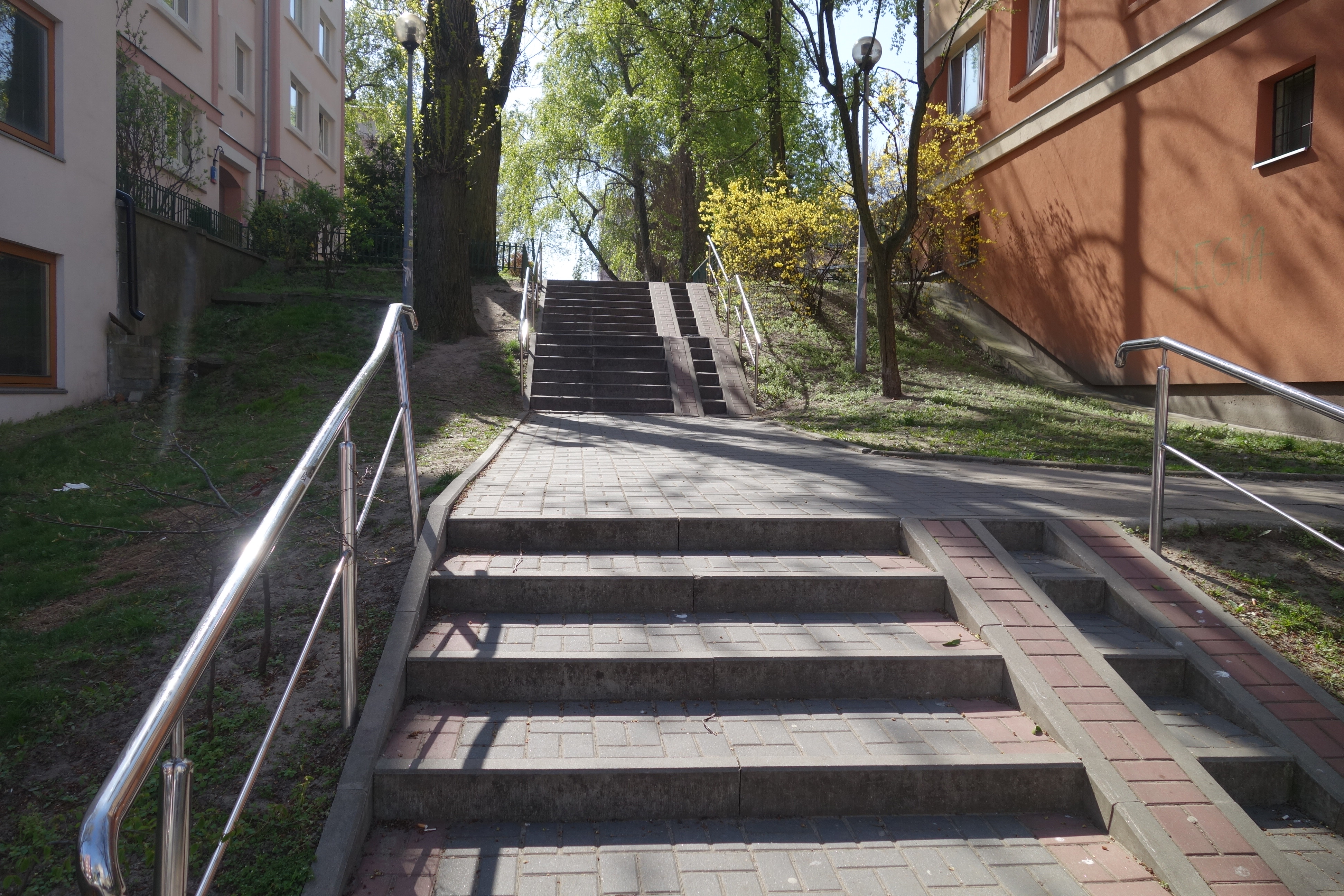
Muranów, Warsaw

Muranów, Warsaw

The book also brings home to me another thing I have observed: that the symbolic significance of Poland is quite different for me than it is for most Jews I have met. So are the emotional associations. Many Jews view Poland both symbolically and materially as a vast killing ground and graveyard. I have felt this myself, especially in places like Muranów in Warsaw, the prewar Jewish quarter that was at the heart of the Jewish ghetto during World War II. When the district was rebuilt in the postwar period, the rubble heaps (doubtless containing the bodies of victims) were left in place and new buildings were built right on top of them. This has created a district that is jarringly pleasant. The raised terraces break up the mostly flat city terrain creating intimate interior courtyards and slopes for lush gardens. But knowing the district’s history, it is hard to not feel uneasy about walking on the victims of the Holocaust.

Muranów, Warsaw

Muranów, Warsaw

Still, for me, Poland is the lost homeland of my mother—a place she mythologized and longed for. These associations were also tragic, because she knew return was not possible. But no doubt that also contributed to the magic. As an imagined place, Poland did not need to accommodate the harsh realities of postwar devastation or state socialism–or the Holocaust. And also, I’ve built my own memories of Poland over the past 25 years. I’ve witnessed the country’s “colorization” as it evolved from state socialist greyness into consumer-fueled color. My time there has always been marked as “special,” separate from the humdrum of everyday life. It’s become a second home to me. Marked as it is by my use of a second language, I also visit another version of myself in Poland, the Polish-speaking one, the foreigner, but also the native daughter returning to the homeland. In short, unlike the Israeli voyagers (for whom Poland represents death and Israel life), I return to life in Poland. Life in the face of displacement and death, perhaps even in defiance of that difficult history.

I thought I was going to write a description of my visit to Israel, but this has turned into a more reflective piece about place and identity. I’ll have to get to my memories of Israel next time.

Bogdan was Daniel

16 Sunday Aug 2015

Posted by Marysia Galbraith in Family, Israel, Kolski, Names, Warsaw

≈ 2 Comments

Tags

Danek Kolski

A photo from my grandmother's papers of Mirka (Rachel's daughter), Rachel (Babcia's sister), Czesław Mochorowski, and Nelly. The boy who is standing is Bogdan, Rachel's grandson, the son of Samek and Nelly. I don't know who the man on the right or the boy at the very bottom are.

A photo from my grandmother’s papers of Mirka (Rachel’s daughter), Rachel (Babcia’s sister), Czesław Mochorowski, and Nelly. The boy who is standing is Danek, Rachel’s grandson, the son of Samek and Nelly. I don’t know who the man on the right or the boy at the very bottom are.

Following up on yesterday’s post, cousin Nelly Kolski Kampf who is the granddaughter and namesake of Nelly Kolska Mochorowska and daughter of the standing boy in the photo, wrote:

The child in the picture named Bogdan is my father. He was born as Danek Kolski and during the war his name was changed to Bogdan to help him to hide and when he came to Israel he changed his name again to Daniel (Danek) Kolski.

He was with my grandfather Samek my grandmother Nelly, Babcha Rachel and Mirka together in the Ghetto.

The name Bereda was mentioned by my father (who was a child during the war) that help them to escape from the Ghetto.

So Bogdan was Daniel; he was also Danek. Some cousins call him Dani.

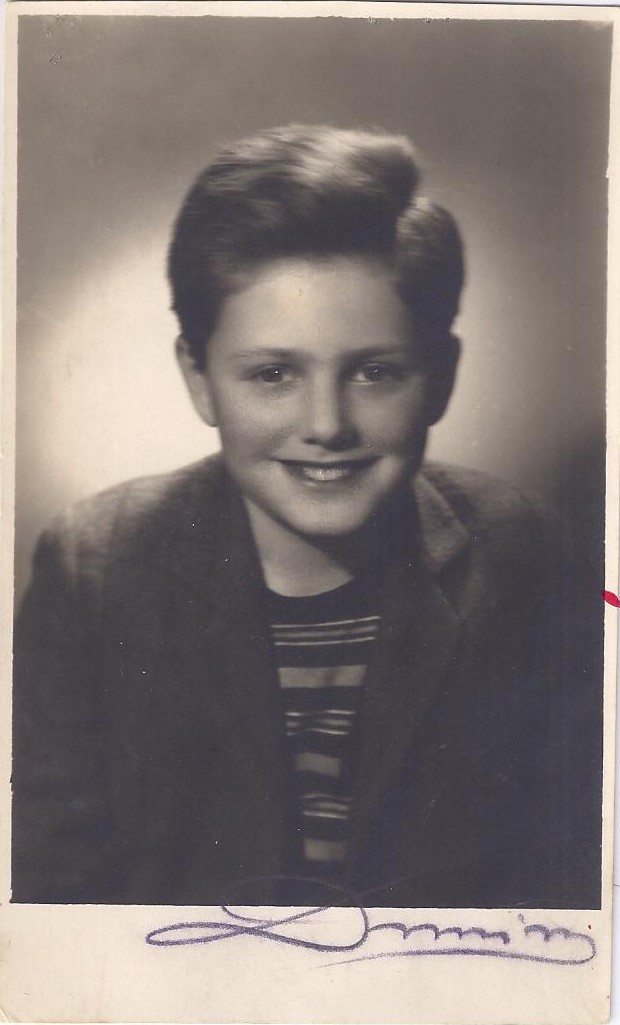
Daniel/Bogdan/Danek/Dani Kolski c. 1939

Daniel/Bogdan/Danek/Dani Kolski c. 1949

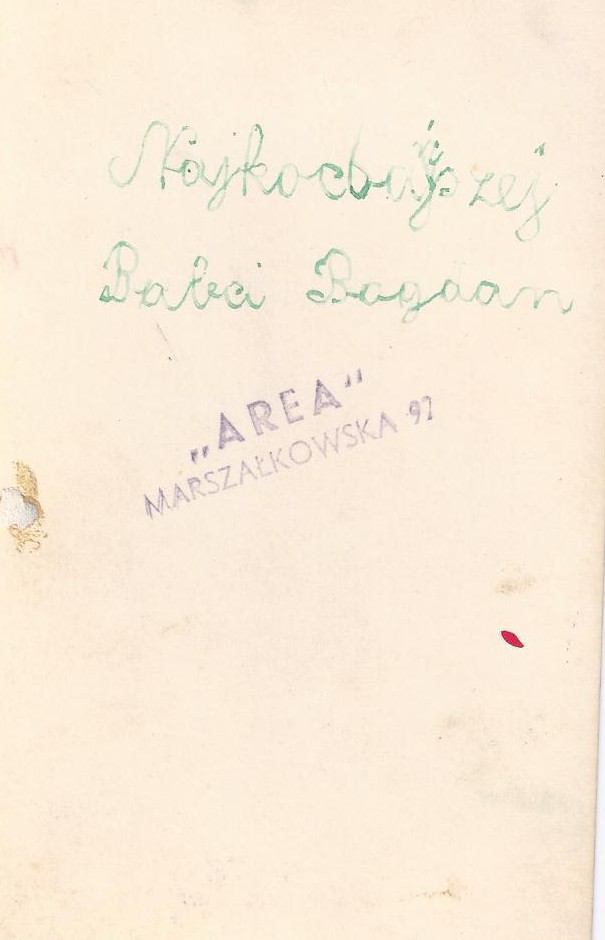
Back of Danek's photo. The first word was corrected, but probably meant to be something like

Back of Danek’s photo. The first word was corrected, but probably was intended to be “Najkochańszej” which means “most beloved.” The printer stamp shows the photo was from Poland.

This is a photo of young Danek. Written in Polish on the back in a child’s hand is: “To my most beloved grandmother, Bogdan.” I can’t make out the word on the front though it clearly begins with a “D” and is in an adult’s hand. He was born in 1937, so he would have been around 7 when the war ended. Danek looks here like he is about the age of my almost-twelve-year-old son, so this was after the war–around 1949?

I asked Nelly (Kampf) if they used the term “Babcia” at home. She said yes; her parents spoke Polish to each other, so Danek’s grandmother Rachel was called  “Babcia.”

Samek and Nelly (Służewska) Kolski's wedding photo.

Samek and Nelly (Służewska) Kolski’s wedding photo.

I met Nelly (the granddaughter of Samek and Nelly), her husband, and two younger children at Pini (another grandchild of Rachel’s) and Pnina’s house in Israel. I felt an immediate strong connection with her. She brought her father’s family album, as well as pages from a book about the Jewish history of Włocławek. I’ve been going through old photos and notes, but creating a narrative out of everything is taking too much time. Better to post this update now and get to the rest of the story in a later post.

Nelly and her husband Nir, February 2015

Nelly and her husband Nir, February 2015

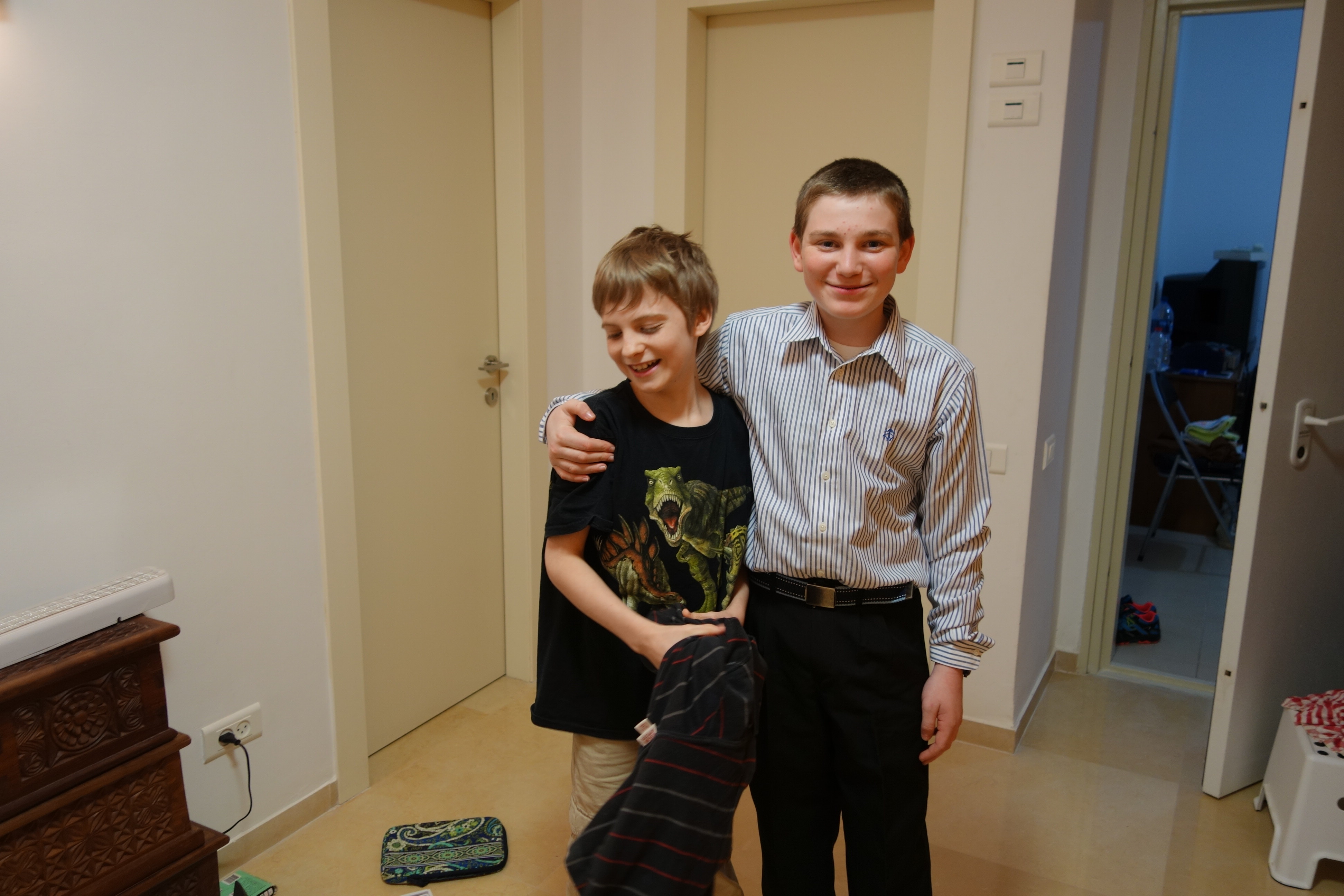
Cousins--my son Ian on the left and Nelly's son Asaf on the right. I see a resemblance between Asaf and his grandfather Danek.

Cousins–my son Ian on the left and Nelly’s son Asaf on the right. I see a resemblance between Asaf and his grandfather Danek.

Babcia and her sister Rachel

16 Sunday Aug 2015

Posted by Marysia Galbraith in Bereda, Family, Kolski, Polish-Jewish relations, Post-World War II, Warsaw

≈ 3 Comments

Tags

Halina Piwko Bereda, Nelly Kolska Mochorowska, Rachel Piwko Kolski

There was one silence that drowned out any mention of a relative very close to us– my grandmother’s sister Rachel.

I grew up knowing Babcia (the Polish term for grandmother) came from a large family, though on the rare occasions this was mentioned, it remained unclear how many siblings she had. The number of siblings was fluid, probably in part because even simple quantitative questions like this often have no absolute answer. It depends on temporal factors–who was living at a given time–and also on who was counted. As best I can tell, my great grandmother Hinda gave birth to twelve children; two died in infancy, leaving ten; one more committed suicide as a teenager and another died in her early twenties during childbirth, leaving eight; The older siblings died before I was born–one in the 1920s, two more in the 1940s, and another probably in the second half of the 1930s. This left four sisters, two who lived into the 1960s, one who died in the 1980s, and my grandmother who died in 1993. From oldest to youngest these four were Sarah, Hanna, Rachel, and my babcia Halina.

My mom told me about Sarah (though we called her Lusia), and I knew Hanna (whom we called Nunia) well, but I don’t recall any mention of Rachel. This is despite the fact that she was the sister closest in age to my grandmother. I’m sure that part of the reason for this silence was that it would have been difficult to talk about her without revealing she lived in Israel, and that would have further revealed she and the rest of Babcia’s family were Jewish. Another reason I never heard about her may well be because Rachel passed away when I was just five or six years old. Still, I was only a few months old when Sarah died and yet I did know about her.

I just don’t know; I can only guess why no one told me about Rachel.

When I first started to learn about Babcia’s family, I thought that maybe there wasn’t any contact between Halina and Rachel, but the more I find, the clearer it is that relations were not cut off between them. In fact, the secret of our Jewish heritage was hiding in plain sight. No one denied it. They just refrained from talking to my generation about it.

It’s likely Babcia never had much to do with her oldest siblings. Liba was 22 years older and married with two children of her own before Babcia was born; Jakob was 20 years older and Abraham/Jon was 17 years older. Abraham and Efraim/Philip (12 years her senior) moved to the United States when Babcia was just ten years old. Sarah, though two years older than Philip, stayed in Poland until the 1930s so Babcia probably knew her better. Still, Philip visited Poland regularly; he seems to have valued family and worked to maintain relationships. He sponsored a steady stream of relatives to the US, including eventually Babcia and my mother.

I have found some fragments—bits of information and partial vignettes—confirming Rachel and Halina were in regular contact, and even came to each other’s assistance during and after World War II. Some traces suggest, however, that these two sisters may not have always seen eye to eye.

I remember being told that “Papa” (what my mother and my grandmother called Zygmunt Bereda, my grandmother’s second husband) saved a number of Jews during the war. It seems possible Rachel was one of them. She spent some time in the Warsaw ghetto. After her husband Pinkas Kolski died in 1940, she escaped with her youngest child Mirka and spent the rest of the war on the Aryan side under false papers. Papa had both the connections and the money to arrange such things. Stanley, Sarah’s son, credits Bereda with saving Jews including family members. Aunt Pat (the wife of Bereda’s son and namesake) told me last month that when Mirka came to the US in the late 1960s, she went out of her way to find Uncle Sig to thank him because his father (namely Zygmunt Bereda) saved her and her mother. I wonder if anyone else in the family knows this story. Did Rachel and Mirka tell their descendants anything about this? That would have meant acknowledging they had Catholic relatives; was there a mirrored silence about that among my Jewish relatives?

Immediately after the war, fortunes reversed. Babcia and Papa’s properties were mostly destroyed and they lived for a time with Rachel and the Mochorowskis. The Mochorowskis’ connection to the family is interesting. Rachel’s son Samek was murdered by Nazis in 1942. His widow Kornelia (Nelly) remarried an engineer named Czesław Mochorowski. Babcia, Papa, and Maria (my mother) are listed as residing at two addresses in 1945 “u Mochorowskich” which means “at the Mochorowskis’ [home].” One was on Lwowska Street in the Mokotów district which was not bombed because it was where the occupying Germans had lived; the other was across the river in the Praga district that was not severely damaged, either.

What led me to discover that Babcia lived with Rachel after the war was the electronic database of Warsaw ghetto survivors. But why were the Beredas (Halina, Maria, and Zygmunt) in this database? As far as I know, they never lived in the ghetto, and Zygmunt was never a Jew. Further, I was under the impression that Babcia and Mama had hid their Jewish roots for years before the war, and especially vigilantly during the war. Why would they report themselves as Jews after the war ended?

It’s a good thing the Jewish Historical Institute (ŻIH) in Warsaw keeps the original records. Even though they don’t answer the basic question why my family was listed at all, the original documents contain additional information about them, information that was not recorded in the digitized database. The archivists at ŻIH also explained to me that immediately after the war ended, all surviving European Jews were asked to register, not just those who had been in the Warsaw ghetto. Over 58,000 names were collected in Poland.

Paper was hard to come by right after the war, so the registry cards from 1945 are written on the backs of old business records (accounting information and the like) cut into small rectangles. By 1946, printed “information cards” had spaces for specific data, including name, age, residence before and after the war, profession, and means of survival. I will say more about these cards in a future blog post. The key point here is that Halina, Maria, and Zygmunt Bereda were listed at the same addresses as Rachel Kolska and Nelly Kolska (later Mochorowska). In other words, although Babcia’s father declared her dead after she married a Catholic (Bereda), Babcia and her sister Rachel were on good enough terms in 1945 to share an apartment.

A photo from my grandmother's papers of Mirka (Rachel's daughter), Rachel (Babcia's sister), Czesław Mochorowski, and Nelly. The boy who is standing is Bogdan, Rachel's grandson, the son of Samek and Nelly. I don't know who the man on the right or the boy at the very bottom are.

A photo from my grandmother’s papers of Mirka (Rachel’s daughter), Rachel (Babcia’s sister), Czesław Mochorowski, and Nelly. The boy who is standing is Bogdan, Rachel’s grandson, the son of Samek and Nelly. I don’t know who the man on the right or the boy at the very bottom are. This was probably taken in Warsaw right after the war ended.

I recently came across another document linking Babcia and Czesław Mochorowski. In a letter to George (Halina’s son and my mother’s brother), my grandmother included Mochorowski in a list of people he should visit on his trip to Poland. I don’t know the year this was written but There is no mention of visiting Nelly, so it was probably after her death in 1957. I believe George visited Poland in the early 1960s. Significantly, in the letter Babcia explained who Mochorowski was: “Samek was my sister’s son, he was murdered by the Germans and his wife, Nelly, married Czesław Mochorowski…but during/after the war/ we lived in the same apartment and he called me auntie and Papa uncle [she uses the diminutive form of uncle, wujaszek].”

While I was visiting Israel in February, a few of Rachel’s descendants told me an anecdote that may well point to ongoing correspondence between Halina and Rachel even after Rachel moved to Israel, but also some tensions. As the story goes, a sister of Rachel’s fell out of touch for three years after Rachel sent her a letter in which she had written on both sides of the paper. This was somehow offensive to the sister. The cousins said they weren’t sure which sister this was, but it definitely sounds like something Babcia might have done. She was the one who took pride in her gentility. Nunia, as far as I recall, was far less concerned with formality, and Sarah has been described to me as very sweet. Neither sounds like they would have taken offense over a point of etiquette.

But who knows? I can only assemble these fragments, and occasionally draw tentative lines between them. If Rachel was anything like my grandmother (and her descendants have indicated to me she was), she was a formidable individual with definite ideas about the world. It’s not hard to imagine that she and her sister, my grandmother, would have locked horns sometimes.

Odd Birdz back in New York

11 Tuesday Aug 2015

Posted by Marysia Galbraith in Family

≈ Leave a comment

Tags

Tziporela Theatre Company

My cousin Omri Doron’s theatre company Tziporela is performing again in New York City. The show is called Odd Birdz and it runs through September 6 at the Players Theatre. The theatre company is based in Tel Aviv. Omri will perform this weekend only.

Omri is the one looking left near the middle of the photo.

Omri is the one looking left near the middle of the photo.

As described in the Huffington Post, “They combine zany satire with (frequently impressive) physical comedy, poking fun at awkward first dates, talk show hosts and selfies. They sing, they dance, they contort. You’ll never see the next bit coming.” The New York Times says the “company’s exuberance is contagious.”

Odd Birdz at the Players Theatre in New York City through September 6

Odd Birdz at the Players Theatre in New York City through September 6

Omri and I are 2nd cousins once removed; his great-grandmother and my grandmother were sisters. We met in Israel in February shortly after the theatre company’s first run in New York.

Halina’s legacy

10 Monday Aug 2015

Posted by Marysia Galbraith in Bereda, Family

≈ 4 Comments

Tags

Halina Bereday

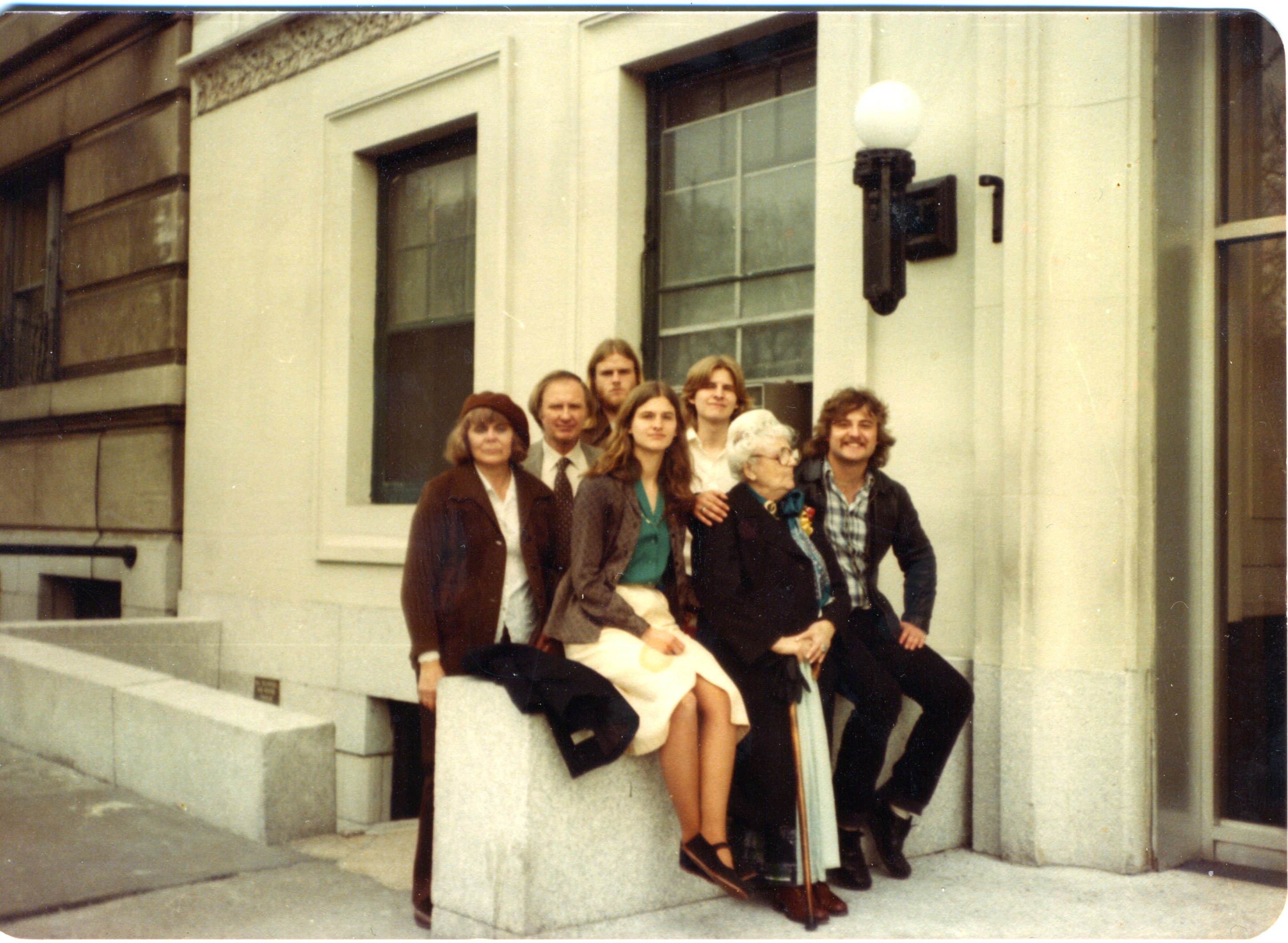
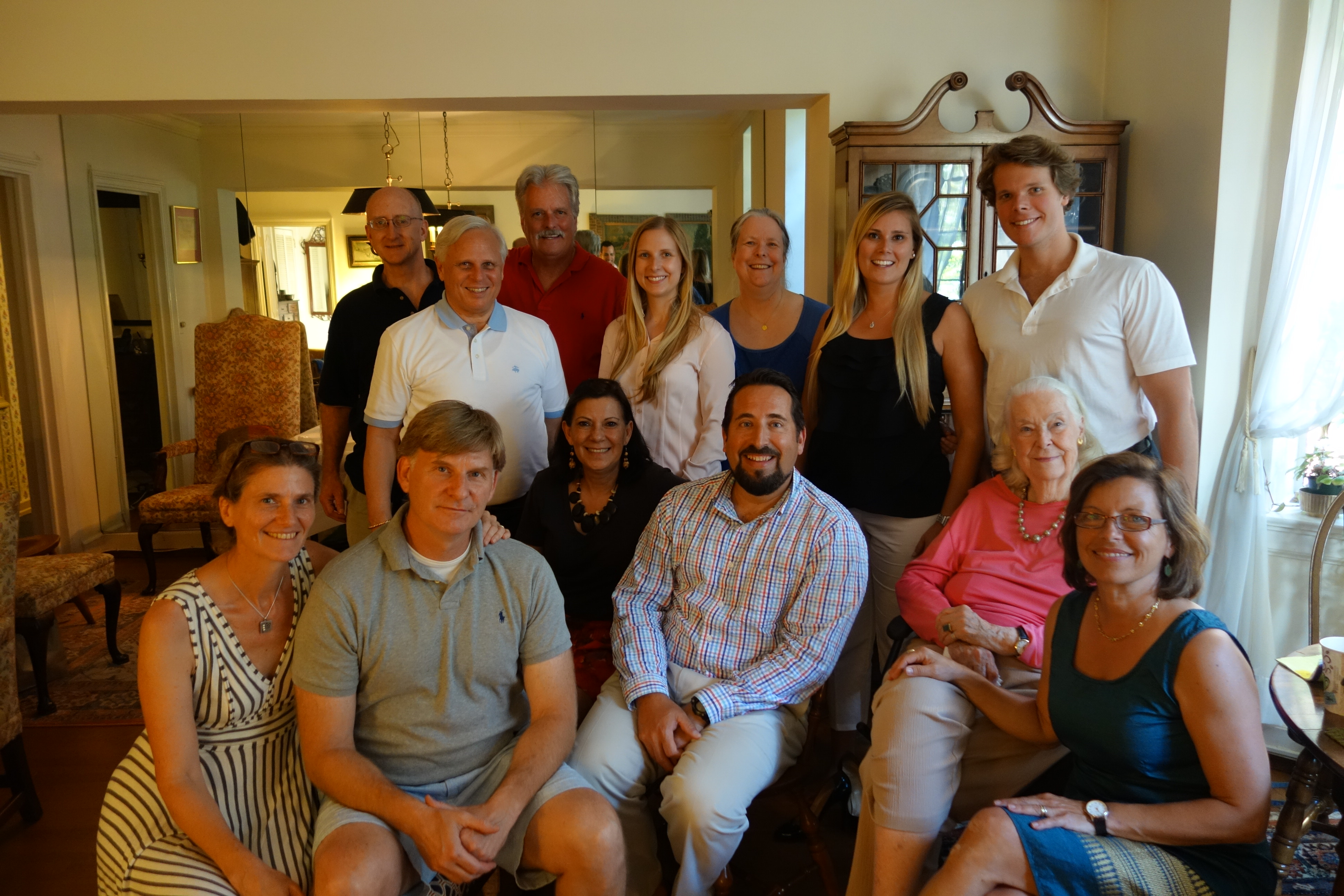
The Bereday cousins met at Aunt Pat’s in late July. Nearly all Halina’s grandchildren were there.

Family reunion--Halina Bereday's grandchildren and great grandchildren

Family reunion–Halina Bereday’s grandchildren and great grandchildren

We are Halina’s legacy.

It has long been my desire to fulfill my Babcia’s wish to be buried in Poland. Our reunion seemed like a good time to take steps toward making that happen. Babcia was cremated over twenty years ago; I offered to bring her ashes to Warsaw, where she can be buried beside her husband Zygmunt Bereda. This is what she wanted. Fortunately, everyone agreed. I’m now in possession of Babcia’s remains and all that is left is to make the arrangements.

Island of remembrance: the Jewish cemetery in Piła

21 Tuesday Jul 2015

Posted by Marysia Galbraith in Cemeteries, Heritage work, Memory, Piła

≈ Leave a comment

A fragment of the lecture I gave at the unveiling of the monument at the 17th century Jewish cemetery in Piła on June 2, 2015, translated into English:

Monument commemorating the Jewish cemetery in Piła

Monument commemorating the Jewish cemetery in Piła

What can be communicated through objects, and often just fragments of objects? What value do the broken mementos of the past have? Material remains of history can seem more and more distant from us. Preoccupied with our daily concerns, we rarely think them. The fragment of the Jewish cemetery in Piła, destroyed during the war, reminds us of earlier times of prosperity and peaceful coexistence among the city’s residents; it simultaneously reminds us of events that even today inspire anguish and opposition. It is understandable why people might try to forget painful memories. It might seem easier to look toward the future instead of back at the past. But reality is not so simple. Something connects us to the past, especially to tragic memories. They function below the level of consciousness and influence us in spite of our desire to forget.

A monument like this one on the remaining fragment of the Jewish cemetery in Piła is an expression not only of respect for the people buried in this place, but also a tool for focusing attention on what used to be. That life will never return, but recognizing its passage can serve as a reminder and a warning. A monument can help us establish a connection with the past and also with the future. It is impossible to think of the future without also thinking about the past. A monument invites us to learn about the history of this city and its residents. It encourages us to reflect on what remains—a fragment of the cemetery wall and several preserved tombstones. We can also have a dialog with nature as we stand under the oldest trees that were witnesses of the history of this place. This island of remembrance helps us connect with our humanity; it makes Piła a more beautiful city and its contemporary citizens better people. Standing in the preserved fragment of the cemetery, we remember all of the former residents of Piła who, like us, had their worries and dreams. From these memories, hope for a better future can emerge.

DSC06457

It is worth getting to know and understand what came before us so that we can understand ourselves better. The way we treat the tangible and intangible fragments of the city’s past communicates to those we associate with everyday, and to those who watch us from afar, including those who seek their own identity and roots.

When we listen to what fragments of the past have to tell us, the past comes alive. Fragments speak to us regardless of whether we try to remember or forget them. Although memories can cause us pain, the absence of memory can also wound us. This can happen when we close ourselves from the past and we don’t want to understand it. That is why it is better to remember and to try to understand the past as well as its influence on us. That is the only way we can heal the trauma of the horrors that transformed this place and so many other places like it.

Marked by a monument, this space functions differently than it did without the monument. The monument fills, however incompletely, the void left behind by loss. Left empty, the void could be interpreted as indifference, disrespect, and even a sign of hatred. A monument inspires memory work and contemplation. The cemetery has been returned to the map of the city and to the consciousness of its residents. It is once again a place for focusing on the experience of loss, and simultaneously on respect for the phenomenon of life. We are not alone. We share common feelings. Memory brings us closer to each other, making us a community despite our differences.

This translation is a little different from the Polish text. Even translating my own writing, some things are easier to express in one language than the other.

← Older posts
Newer posts →

Categories

  • Anthropology (38)
    • Archives (14)
    • Fieldwork (7)
    • Ground Penetrating Radar (GPR (5)
    • Research Methodology (8)
  • antisemitism (14)
  • Association of Descendants of Jewish Central Poland (36)
  • Catholicism (8)
  • Conference (1)
  • Discrimination (2)
  • Family (70)
    • Bereda (18)
    • Kolski (13)
    • Piwko (22)
    • Rotblit (3)
    • Walfisz (4)
    • Winawer (7)
  • Genealogy (11)
  • Heritage work (70)
    • Commemoration (24)
  • Identity (18)
  • Israel (6)
  • Jewish Culture (93)
    • Cemeteries (55)
    • Museum (8)
    • Synagogues (34)
    • Torah (1)
  • Jewish immigrants (8)
  • Jewish Religion (1)
  • Memory (73)
  • Names (14)
  • Photographs (6)
  • Pifko-Winawer Circle (5)
  • Poland (131)
    • Baligród (1)
    • Bolimów (1)
    • Brześć Kujawski (5)
    • Buk (1)
    • Chodecz (1)
    • Dukla (2)
    • Dąbrowice (1)
    • Gdynia (1)
    • Gostynin (3)
    • Gąbin (1)
    • Izbica Kujawska (1)
    • Kazimierz (4)
    • Kowal (1)
    • Koło (1)
    • Krakow (7)
    • Krośniewice (1)
    • Kutno (9)
    • Kłodawa (1)
    • Lesko (8)
    • Leszno (1)
    • Lubień Kujawski (1)
    • Lubraniec (1)
    • Lutowiska (3)
    • Piła (3)
    • Podgórze (2)
    • Poznan (11)
    • Przemyśl (2)
    • Pzedecz (1)
    • Radom (1)
    • Radymno (1)
    • Sanok (1)
    • Skierniewice (5)
    • Sobota (2)
    • Tarnów (2)
    • Warsaw (23)
    • Wielkopolska (1)
    • Wronki (7)
    • Włocławek (20)
    • Zasław (2)
    • Łódź (1)
    • Żychlin (33)
  • Polish Culture (10)
  • Polish-Jewish Heritage (60)
  • Polish-Jewish relations (61)
  • Post-World War II (24)
  • Pre-World War II (22)
  • Reclaimed Property (1)
  • stereotypes (3)
  • Survival (9)
  • Trauma (3)
  • Uncategorized (5)
  • Victims and perpetrators (4)
  • World War II (47)
    • Jewish Ghetto (12)
    • Nazi Camps (6)
    • Polish Underground Army (3)
  • Yiddish (5)

Enter your email address to follow this blog and receive notifications of new posts by email. Your email address will not be shared.

Archives

  • June 2026 (5)
  • May 2026 (1)
  • October 2025 (1)
  • July 2025 (8)
  • June 2025 (1)
  • April 2025 (1)
  • August 2024 (3)
  • July 2024 (3)
  • May 2024 (2)
  • April 2024 (1)
  • May 2023 (2)
  • January 2023 (2)
  • December 2022 (7)
  • November 2022 (2)
  • October 2022 (5)
  • September 2022 (1)
  • January 2022 (1)
  • August 2021 (1)
  • December 2020 (2)
  • July 2020 (1)
  • May 2020 (3)
  • April 2020 (1)
  • March 2020 (1)
  • January 2020 (2)
  • May 2019 (1)
  • February 2019 (1)
  • November 2018 (1)
  • September 2018 (1)
  • August 2018 (3)
  • July 2018 (1)
  • June 2018 (1)
  • May 2018 (1)
  • April 2018 (2)
  • March 2018 (2)
  • February 2018 (2)
  • January 2018 (2)
  • December 2017 (2)
  • November 2017 (2)
  • October 2017 (1)
  • September 2017 (3)
  • August 2017 (3)
  • June 2017 (2)
  • May 2017 (3)
  • April 2017 (1)
  • March 2017 (2)
  • February 2017 (1)
  • January 2017 (2)
  • December 2016 (2)
  • November 2016 (4)
  • October 2016 (1)
  • September 2016 (6)
  • August 2016 (2)
  • July 2016 (1)
  • May 2016 (4)
  • April 2016 (2)
  • March 2016 (3)
  • February 2016 (4)
  • January 2016 (3)
  • December 2015 (3)
  • November 2015 (5)
  • October 2015 (5)
  • September 2015 (3)
  • August 2015 (4)
  • July 2015 (3)
  • June 2015 (3)
  • May 2015 (4)
  • April 2015 (9)
  • March 2015 (3)
  • February 2015 (2)
  • January 2015 (5)
  • December 2014 (4)
  • November 2014 (9)
  • October 2014 (2)
  • September 2014 (1)

Copyright Notice

All original text and images are copyright © Marysia Galbraith. Please contact the author before quoting.

Blog at WordPress.com.

  • Subscribe Subscribed
    • Uncovering Jewish Heritage
    • Join 149 other subscribers
    • Already have a WordPress.com account? Log in now.
    • Uncovering Jewish Heritage
    • Subscribe Subscribed
    • Sign up
    • Log in
    • Report this content
    • View site in Reader
    • Manage subscriptions
    • Collapse this bar

Loading Comments...