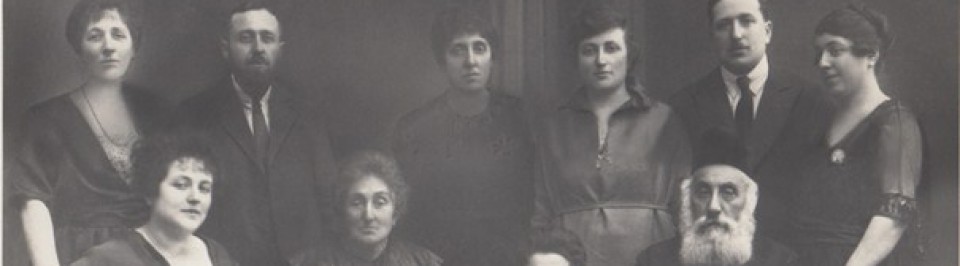
Nothing like spending the whole day on your feet the day after an overnight plane trip. But our group is intrepid.

The day began with a walking tour “The Unremovable Traces of the Warsaw Ghetto” led by Dr. Szymon Pietrzykowski of the Jewish Historical Institute. We started in the JHI in the lobby where the stone floor retains the burn stains caused by the fire bombs that destroyed the Great Synagogue in 1943 after the Warsaw Ghetto Uprising


We visited places where the former location of the ghetto walls are marked by metal plaques in the sidewalk, buildings reconstructed after the war, sites where important Jewish institutions were destroyed and never rebuilt, and places significant to the Jewish Ghetto Uprising and the archive of Jewish life in the ghetto collected by historian Emanuel Ringelblum.


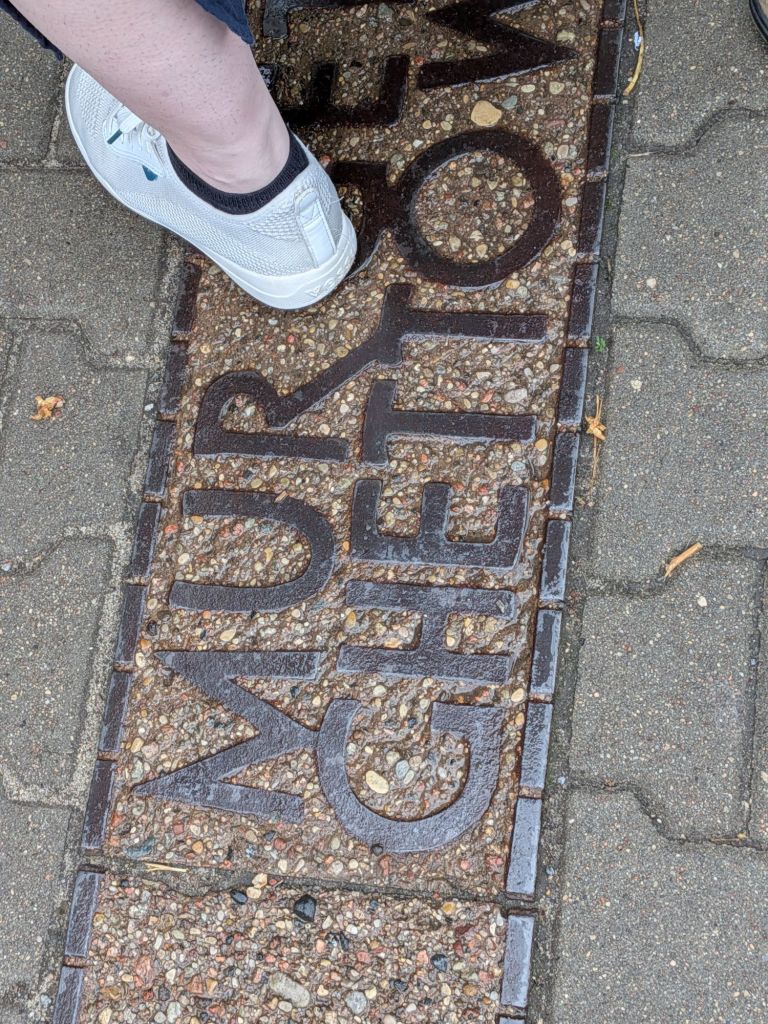

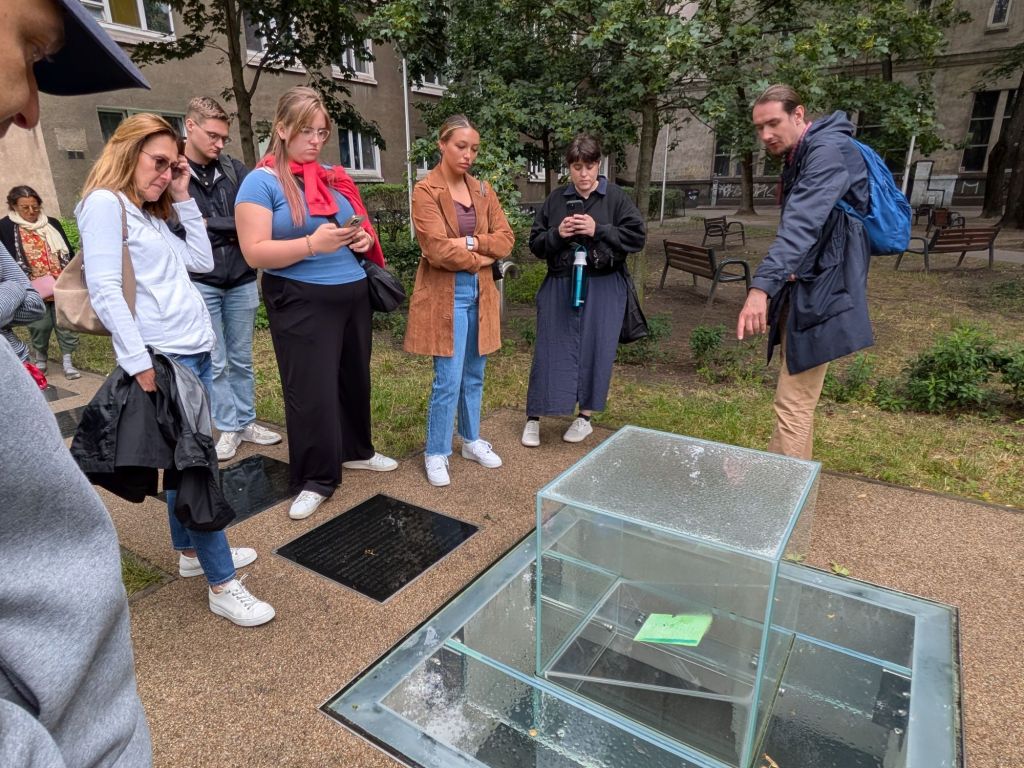
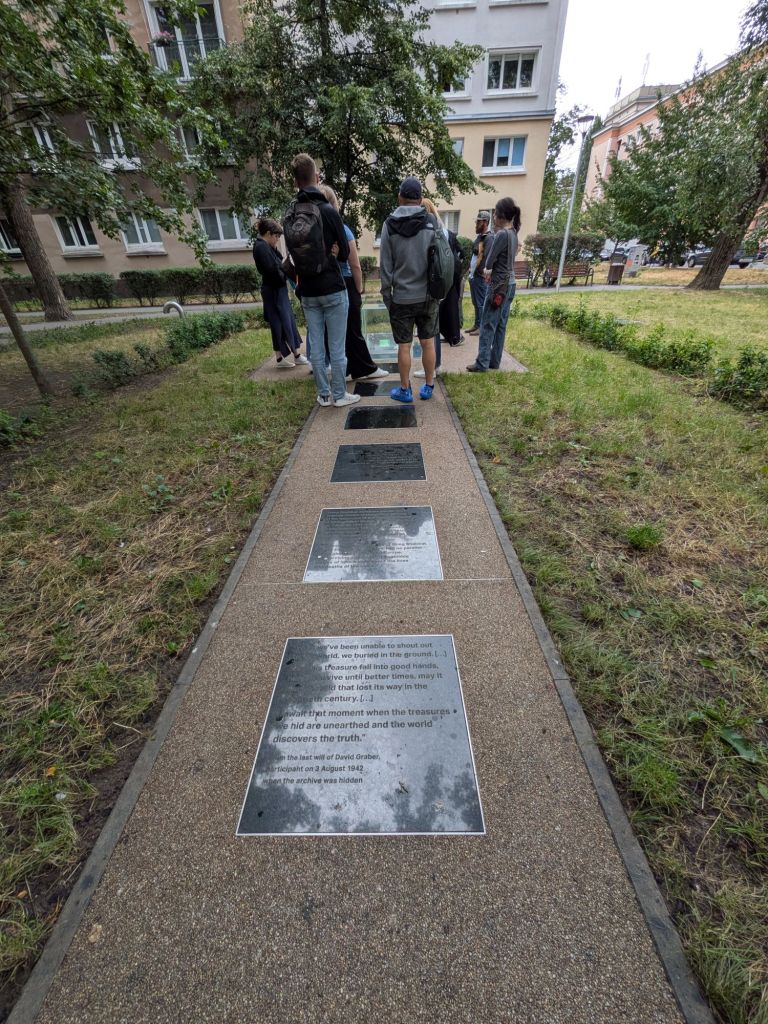
Our tour continued at the POLIN Museum of the History of Polish Jews, led by our guide Martina.
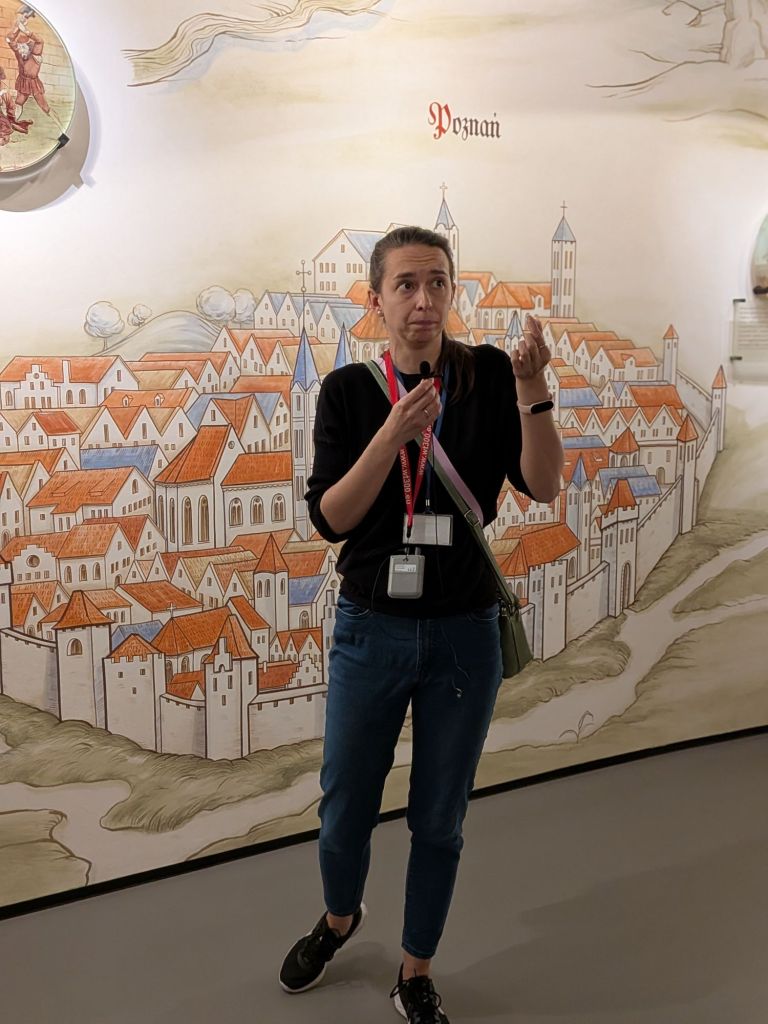
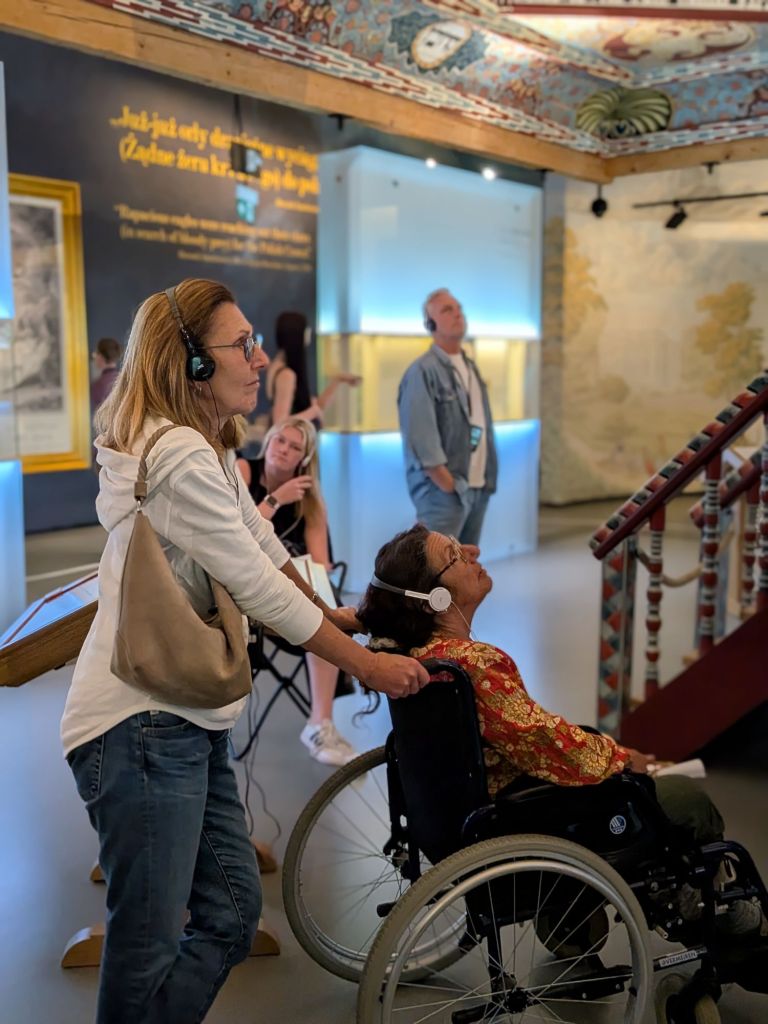


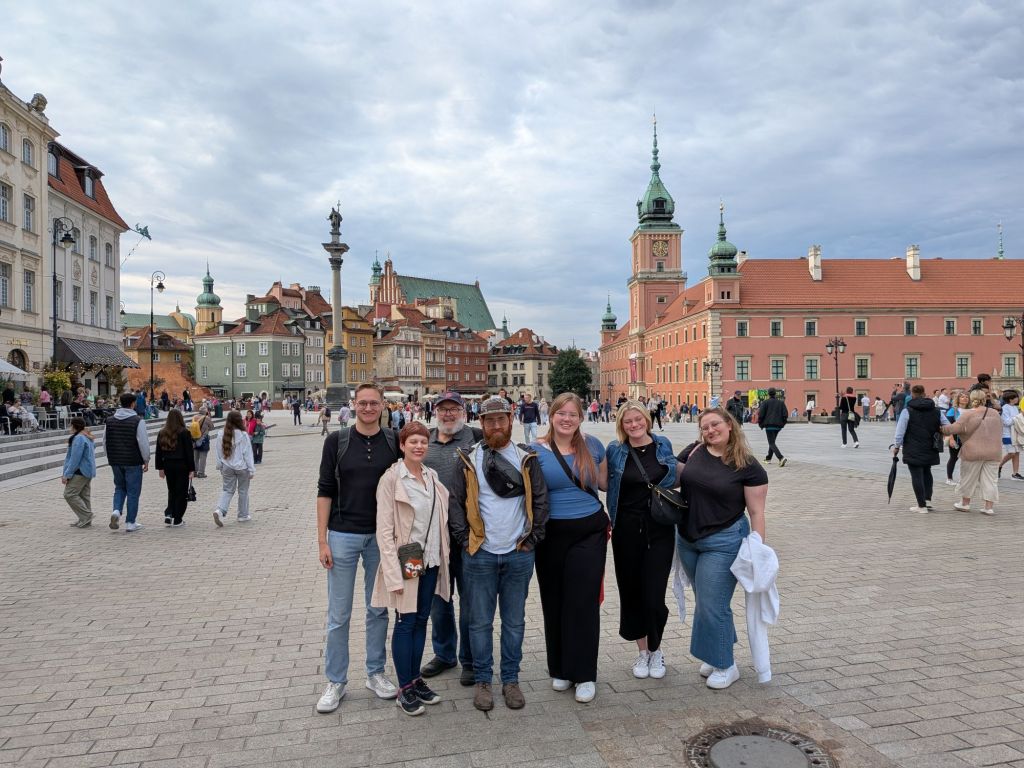
After six hours of walking, we were ready to sit down. Paula, whose ancestor Tema Walfisz Jakubowicz grew up in Żychlin, treated us to a well-deserved meal. Many in our group got to try pierogi for the first time!
 Uncovering Jewish Heritage
Great project! I have family members who lived and died in Zychlin: Their name was BICZ.
Yechiel (Chil) BICZ was a flour mill employee in Zychlin and his wife Frajda Deborah (born Mordchelewicz from Warsaw). The had 3 chilren: Mundek Menahem Aharon, Masza Malka, and Rakhel.
if you can find any information ?
I have a portrait but know nothing else about them.
Thanks to contact me at <a href="
Virginie from France (grandniece of Deborah Mordchelewicz)
LikeLike
Thank you for your comment. I will see what I can find out about the Bicz family and let you know. I’ll try to post daily while we’re here in Poland so please check the site for updates!
LikeLike
Great project ! Please contact me if you can find anything on the BICZ family, particularly Yechiel (Chil) who was working in the flour mill, his wife and their 3 children… Thanks in d’avance and all the Best !
LikeLike
thanks for sharing. You all are amazing!
LikeLike
Thank you all, especially Marysia, for making this trip. I wish I could be there with you. Safe travels.
LikeLiked by 1 person
You are all amazing for making this trip and I wish I could be there with you. Thank you!!
LikeLike
Thanks David. We miss you here and hope you can join us next year!
LikeLike