Tags
Foundation for the Protection of Jewish Heritage, Mass grave, Matzevah Foundation, matzevot return
Our day started with a quick trip to the grocery store to pick up food for lunch. How fitting that we found matzo!

Our next surprise was the large matzevah fragment left in front of the cemetery gate by an anonymous donor who found it buried under grass in a private garden. It memorialized a 60-year-old man, though his name is not on this fragment.

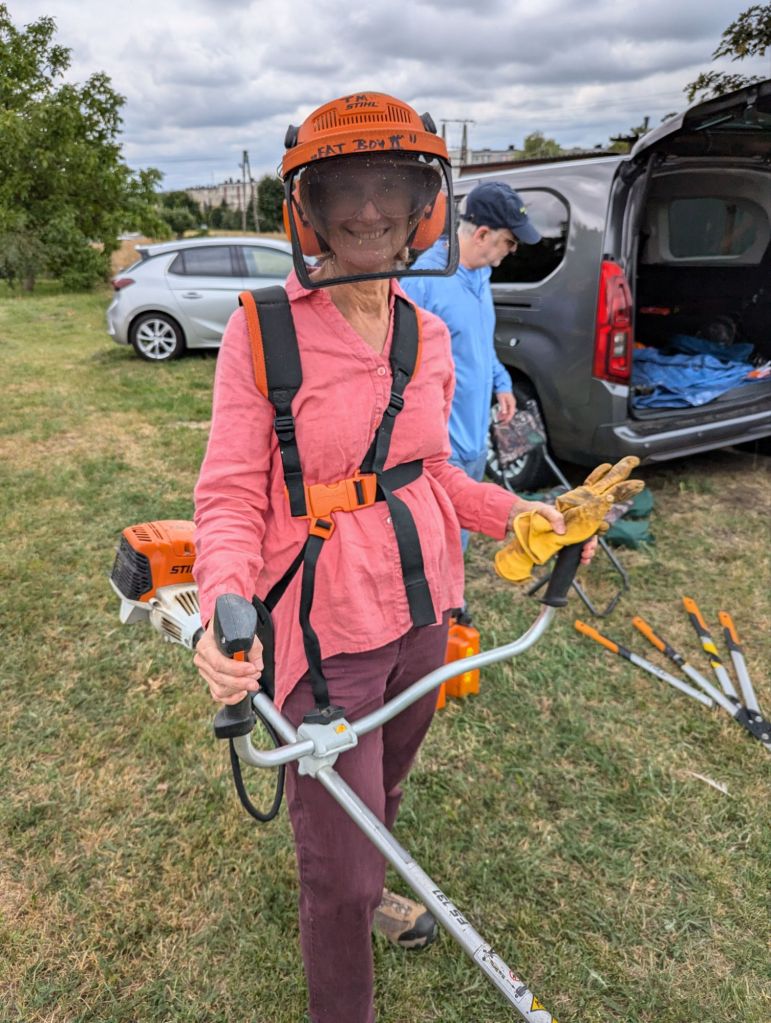
Bożena Gajewska was there to greet us with all of the saws and other equipment I had arranged to be delivered to her for our project. She also brought Pringles from the local factory.
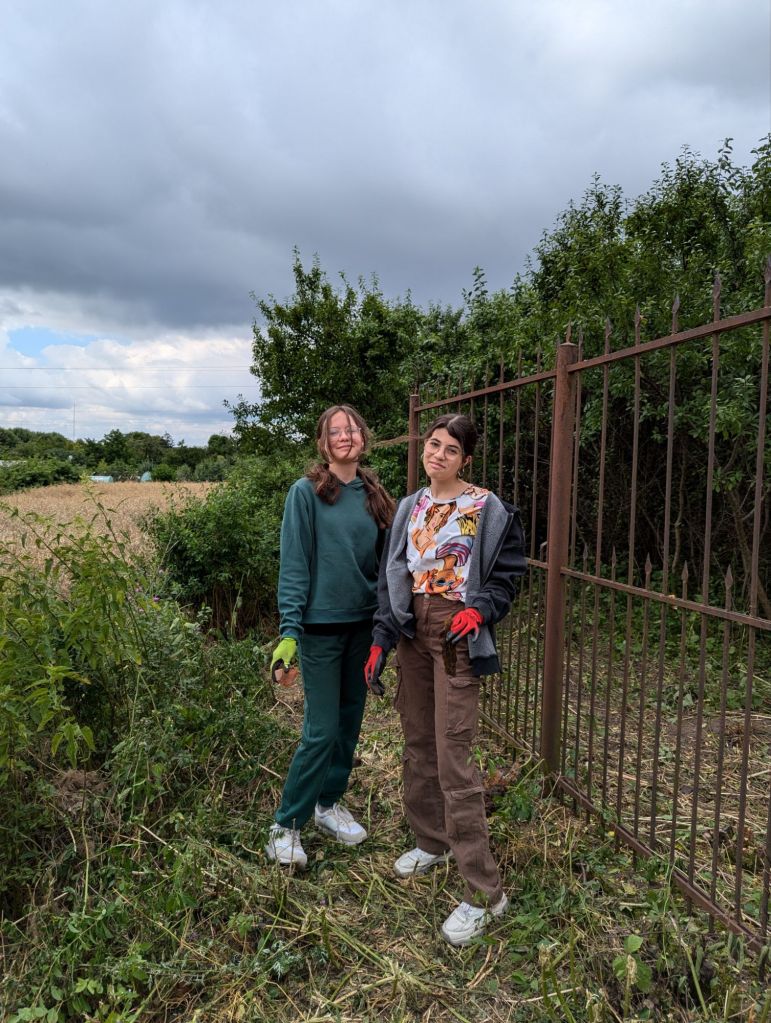
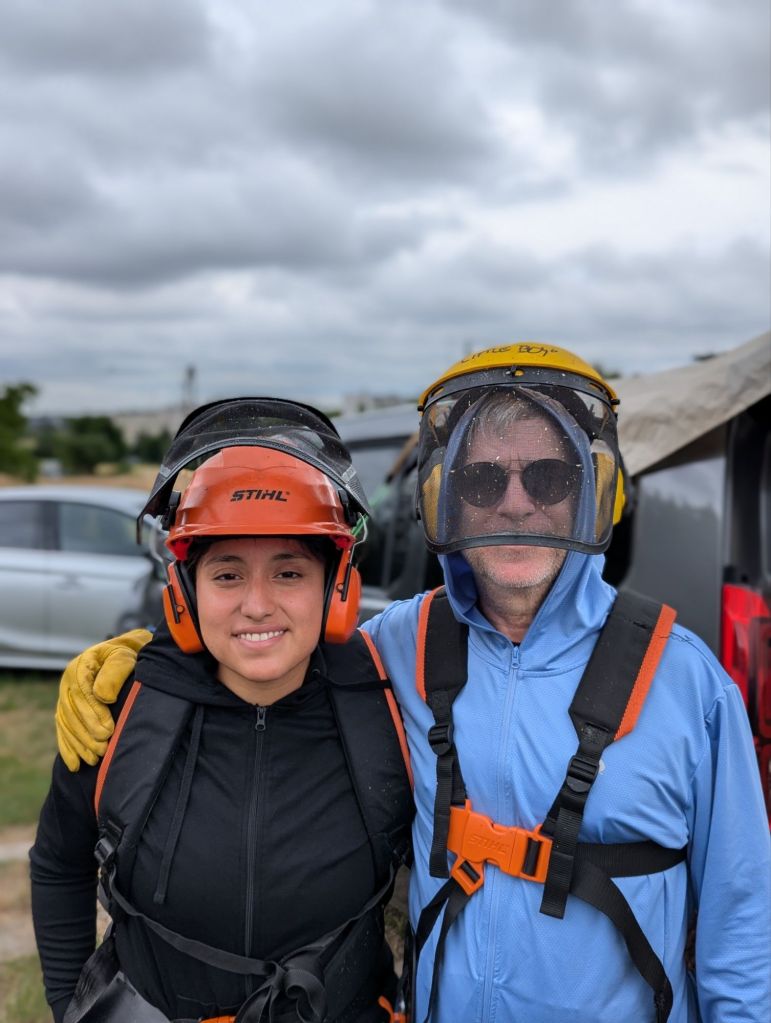
We got right to work clearing a path to the depression we plan to inspect with non-invasive ground penetrating radar. Some got hold of the loppers and others grabbed the branches as they were cut and hauled them out of the cemetery, where archaeology graduate student Caleb took charge of stacking them. In fact, he did this task systematically and neatly all day.


Claibourne, who is heading up the GPR research, crawled and bushwhacked through the dense blackthorn to lay a measuring tape that would keep the cutters working in the right direction. Steven gave Claibourne the nickname “Magnum” when he saw that he is listed as the PI (principal investigator) of the project.


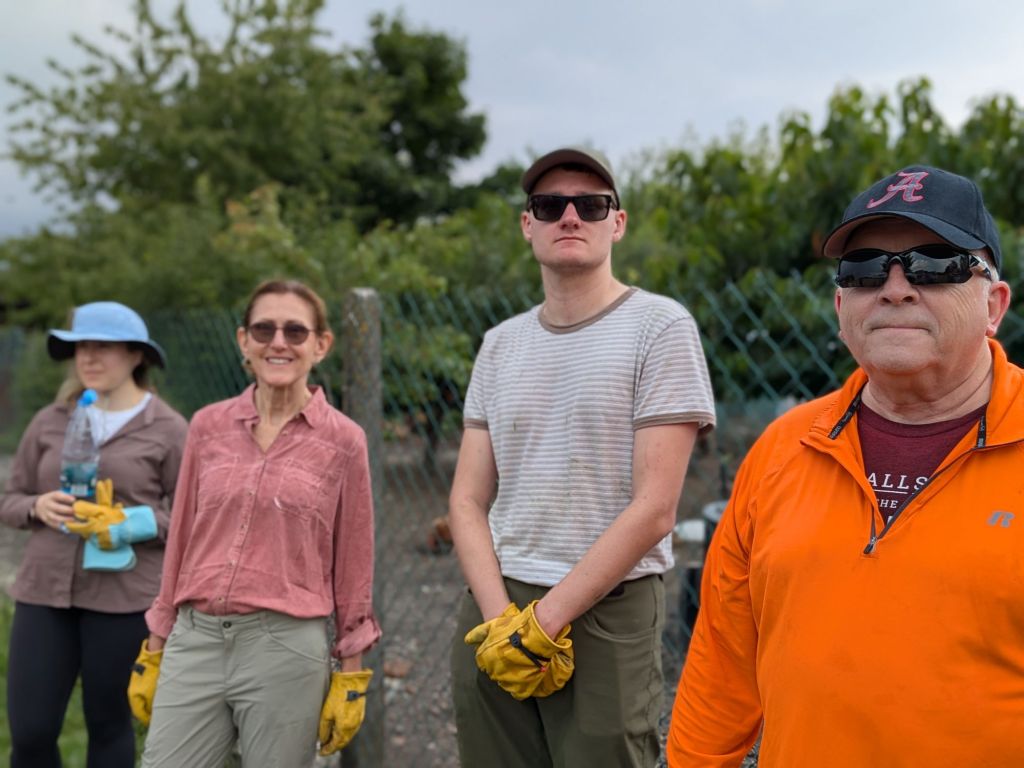
We took a break when Filip Szczepański of the Rabbinical Commission arrived. The most important thing, he told us, is not to disturb those who are buried–we are not to dig in the ground or do anything that might expose human remains. If we find any human bones, they are to be left at rest and carefully covered in the location where we find them. Steven suggested we get a bag of topsoil for this purpose.
We had other visitors and helpers, including Ola Głuszcz, who is a high school history teacher, and her daughter, as well as Henryk and Agnieszka Olszewski, and Żychlin mayor Grzegorz Ambroziak.

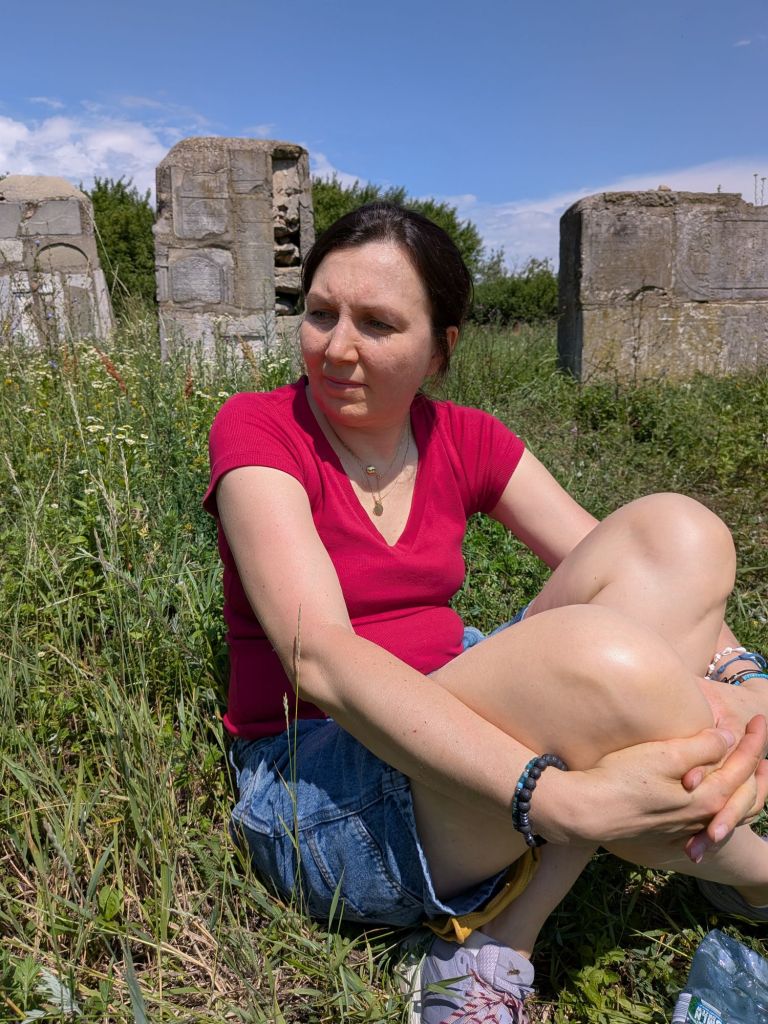

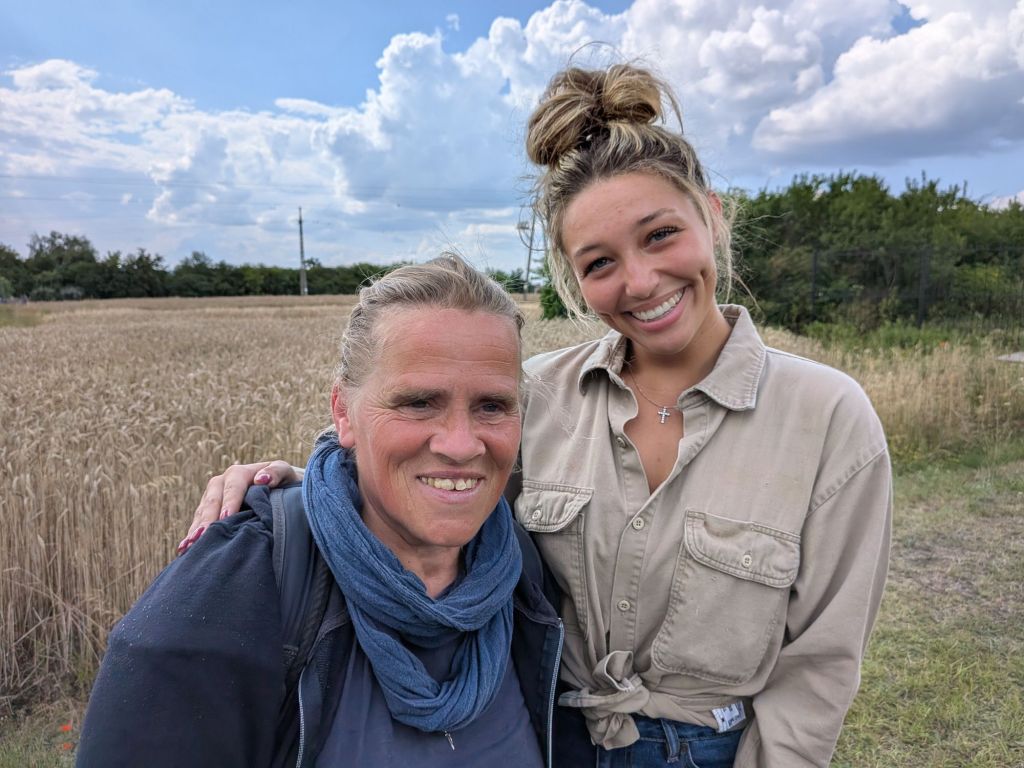
We got as much as or more done than we expected, with a path cleared across the middle of the depression. Tomorrow, we’ll continue our work, making sure all the stumps are flush with the ground so the GPR can run over the ground smoothly.


I refuse to get my hopes up. Even if we find no evidence of a mass grave, that is important information. We will know this disturbance had other causes and we should look elsewhere. But maybe? Filip, whose first impression was that we are looking at a hole made by people digging out sand, said there must be a reason the metal sign nearby refers to a mass grave. There must have been something there that made them put it there.


 Uncovering Jewish Heritage